Health Awareness
Rehabilitation
-

Prescribing exercise – the crucial healthcare tool
The cost of physical activity to the UK is £7.4 billion and, in the time it takes Usain Bolt to run 100m, the NHS has spent £10k on treating preventable chronic diseases. These hard hitting stats can be counteracted by exercise; so, how we can encourage people to move more? Exercise has many benefits: it...
-

Rehabilitation: making quality of life better for patients
Rehabilitation services make a real difference to the lives of patients and generate NHS cost-savings, says Dr Krystyna Walton, President, British Society of Rehabilitation Medicine. For any society, rehabilitation services are not simply a ‘nice to have’. They are absolutely vital because of the contribution they make to the quality of the lives of patients...
-

Our campaign partners
fAABI is a London-based charity with a mission to create a client-led service; running activities that support people living with an acquired brain injury (ABI) to build the knowledge, skills and confidence to live life to the fullest. We create a comfortable and non-judgmental environment where people with an ABI their loved ones can come...
-
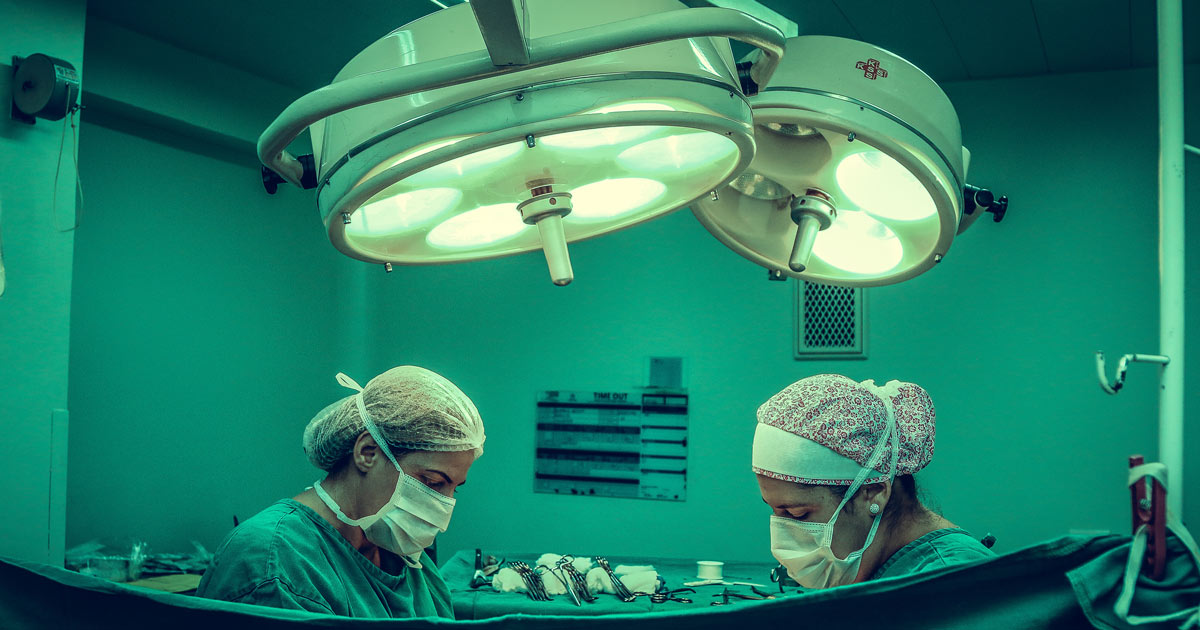
Why robotic knee surgery is “better for patients”
Patients who have robotic-assisted knee surgery can expect better experiences before, during and after their operation. The technology may even allow them to be treated as day cases in the future. “I rarely perform knee replacement surgery without robotic assistance these days,” says Mr Matthew Bartlett, Consultant Orthopaedic Surgeon at London North West University Healthcare...
-

“My life started the day I got a hearing dog”
Vincent Wakeling (53) from Dagenham, Essex, was isolated from the rest of the world - until his hearing dog Teddy came along and completely transformed his life.
-

Robotics and virtual rehab: how far should we go?
Rehabilitation can be a long, slow recovery process that places a burden on the health system: we look at how tech is helping to bridge the gap.
-

The delicate balance of measuring outcomes to meet needs
Cognition, behaviour, type of injury, patient history and environment are some of the variables involved in assessing the psychological and societal benefits of neurorehabilitation.
-

From rehab to Rio
After a car crash left her in a wheelchair, young Issy Bailey used her sporting abilities within rehab to become a Paralympic target shooter who’s now competing worldwide.
-

Reintegrating patients effectively into the community
Positive Behaviour Support (PBS) planning is an important part of treatment for complex patients to reintegrate into the community successfully.
-

“See the person not the condition”
Each individual’s unique personality and the varied nature of neurological injuries makes rehabilitation a highly complex business for patients, relatives and clinicians.
-

New age of rehabilitation: combining technology and the human element
Though long-term rehabilitation services in the UK are still limited, their value is acknowledged, with neuroplasticity treatment an exciting new area.