
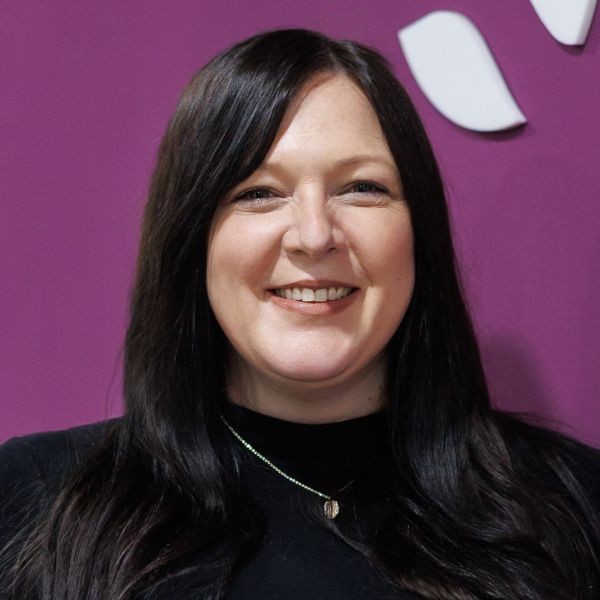
Jodi Barrientos
CEO, Ribbon Bio
When cell and gene therapy (CGT) developers have access to complex and accurate DNA, it makes it easier for them to translate ambitious therapeutic designs into viable programmes.
Jodi Barrientos, CEO of synthetic biology company Ribbon Bio, says: “In the next five years, we expect to see increasing numbers of biotechs working with cell-free DNA. It’s easier, cleaner and more flexible than traditional synthetic DNA constructs — and it shortens the time to therapeutics.”
That’s an attractive proposition for CGT developers who want to translate ambitious therapeutic designs into viable programmes as cleanly and quickly as possible. However, many still work with synthetic template DNA, which is traditionally achieved through molecular cloning in bacteria. Unfortunately, the varied constraints of working this way create bottlenecks that slow research and process development.
Cell-free DNA is changing synthetic biology
A major problem of DNA constructs built and propagated in bacterial plasmids is that cloning, plasmid preparation and purification take 11 days on average. Separately, failure rates can be high due to factors including host-derived contamination, among other factors. According to Ribbon Bio, 84% of teams have encountered sequences that their provider couldn’t manufacture. Moreover, the fermentation process can be unpleasant, and because bacteria are considered a biohazard, labs must be certified.
I believe the market is feeling the pressure,
as it should, to shift to cell-free
Barrientos’ company eliminates these challenges by building long, complex and accurate DNA without bacteria. “We were one of the first to utilise a cell-free application for the assembly of the template molecule,” she says. “Because it’s bacteria-free, there are no cloning steps and no risk of contamination. It’s less tedious and unpleasant for the labs; and a full-length molecule can be produced in around five days.”
Cell-free is changing synthetic biology
The team now want to explore the possibility of producing a full-length molecule in a matter of hours, which could have a big impact on the lives of patients.
In May, the company launched a kit for cell-free DNA assembly, enabling organisations — from small university labs to major research hospitals and biopharmas — to complete their own rapid DNA production. Barrientos concludes: “I believe the market is feeling the pressure, as it should, to shift to cell-free.”