
Prof. Chris Molloy
CEO of BIA
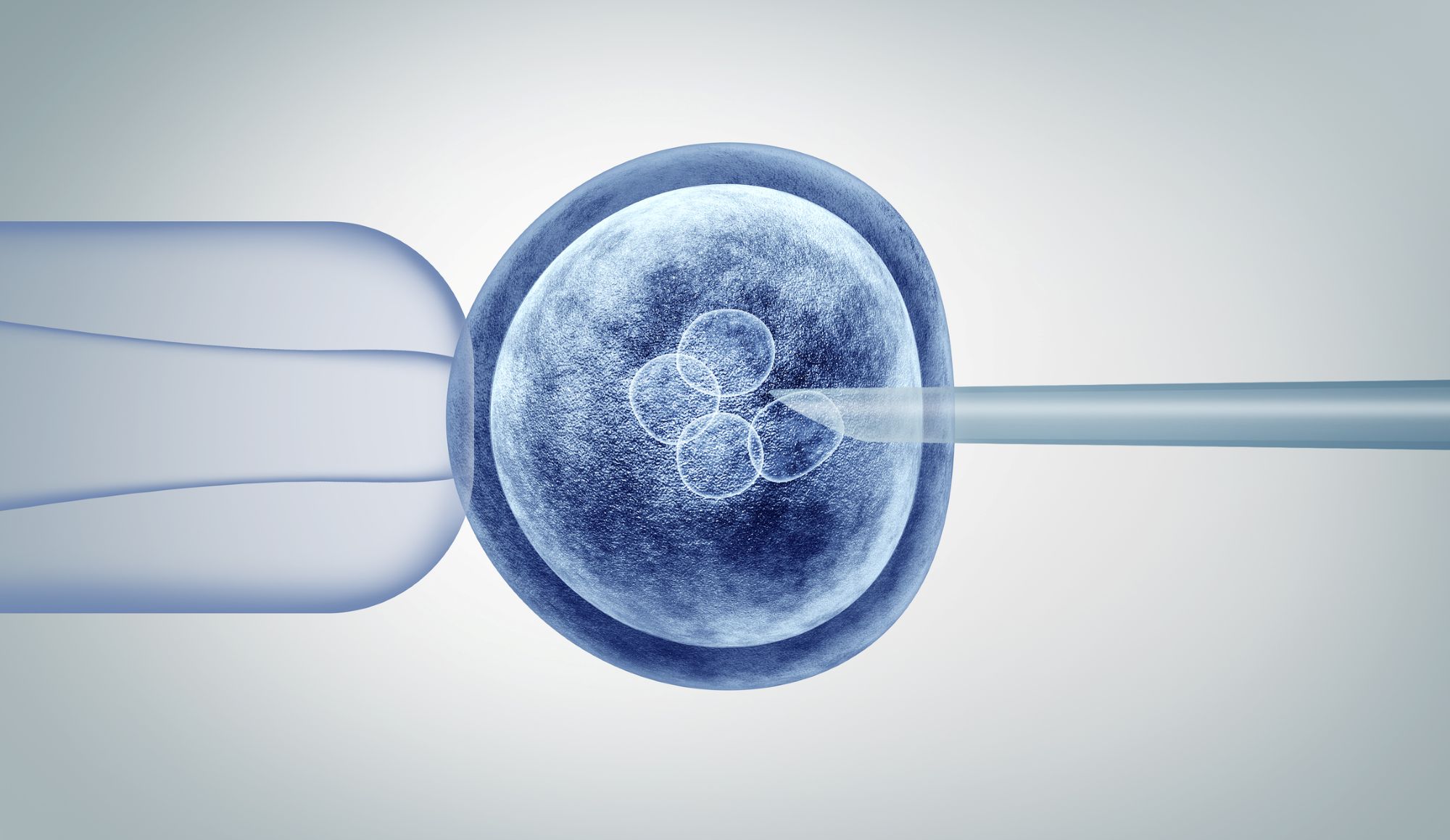
From CAR-T manufacturing in Stevenage to CRISPR production in Edinburgh, the UK has built a nationwide engine for advanced therapies. The task now is to lead in scalable, low-cost manufacturing, playing to the UK’s competitive advantage: innovation.
The UK is Europe’s clear leader. In 2025, it hosted 57% of Europe’s cell and gene therapy trials and 9% of the global total.1 Home-grown companies are transforming outcomes for patients with cancer and inherited rare diseases, backed by growing manufacturing talent.2
The BioIndustry Association (BIA) has long championed the sector, with its Cell and Gene Therapy Advisory Committee convening experts to develop the necessary infrastructure, talent pipeline and regulatory environment.2
Strength across the country
This expertise is well distributed regionally. In Stevenage, the Cell and Gene Therapy Catapult’s Manufacturing Innovation Centre anchors a cluster, with Autolus manufacturing CAR-Ts for use globally, including by the NHS. In Edinburgh, RoslinCT manufactures Casgevy, the world’s first approved CRISPR-based gene therapy.3 Nationwide, the Advanced Therapy Treatment Centre network is strengthening trial infrastructure and NHS delivery, helping to scale adoption.
The moment is Britain’s to seize
This geographic spread matters to patients and the economy nationwide. It shows how supporting UK life sciences is foundational to delivering the Government’s mission for growth in every postcode.
The UK must retain and scale these companies by leading the next era of manufacturing. Advanced therapies will be reinvented through automation, digitalisation and AI. New models are emerging in the UK creating economies of scale and bringing down unit costs.
A leading environment
The MHRA is proposing new approaches to rare disease, distributed manufacturing and AI, opening the door to earlier engagement and more affordable treatments. Clinical trial reforms helped Quell Therapeutics launch its CAR-Treg CHILL trial in just 113 days.4
The lead is real but not guaranteed. Other countries see the opportunity. To stay ahead, Britain must lead in new modes of production and the regulation that allows advanced therapies and their companies to scale here. Industry, government and regulators must act together, matching manufacturing with faster trials and adoption. Do that, and a head start becomes a lasting advantage. The moment is Britain’s to seize.
[1]Cell and Gene Therapy Catapult. 2025. tinyurl.com/4vj6d9hd.
[2] UK BioIndustry Association. 2024. Cell and gene therapy. tinyurl.com/29rkcsku.
[3] RoslinCT. 2023. RoslinCT To Manufacture First-Ever US FDA Approved CRISPR-Based Gene Therapy CASGEVYTM (Exagamglogene Autotemcel). tinyurl.com/49wssyc9.
[4]NIHR. 2026. UK leads the world in rapid activation of complex early-phase ATiMP trial. tinyurl.com/2nk29pud.