
Mehwash Nadeem
Consultant Urological Surgeon
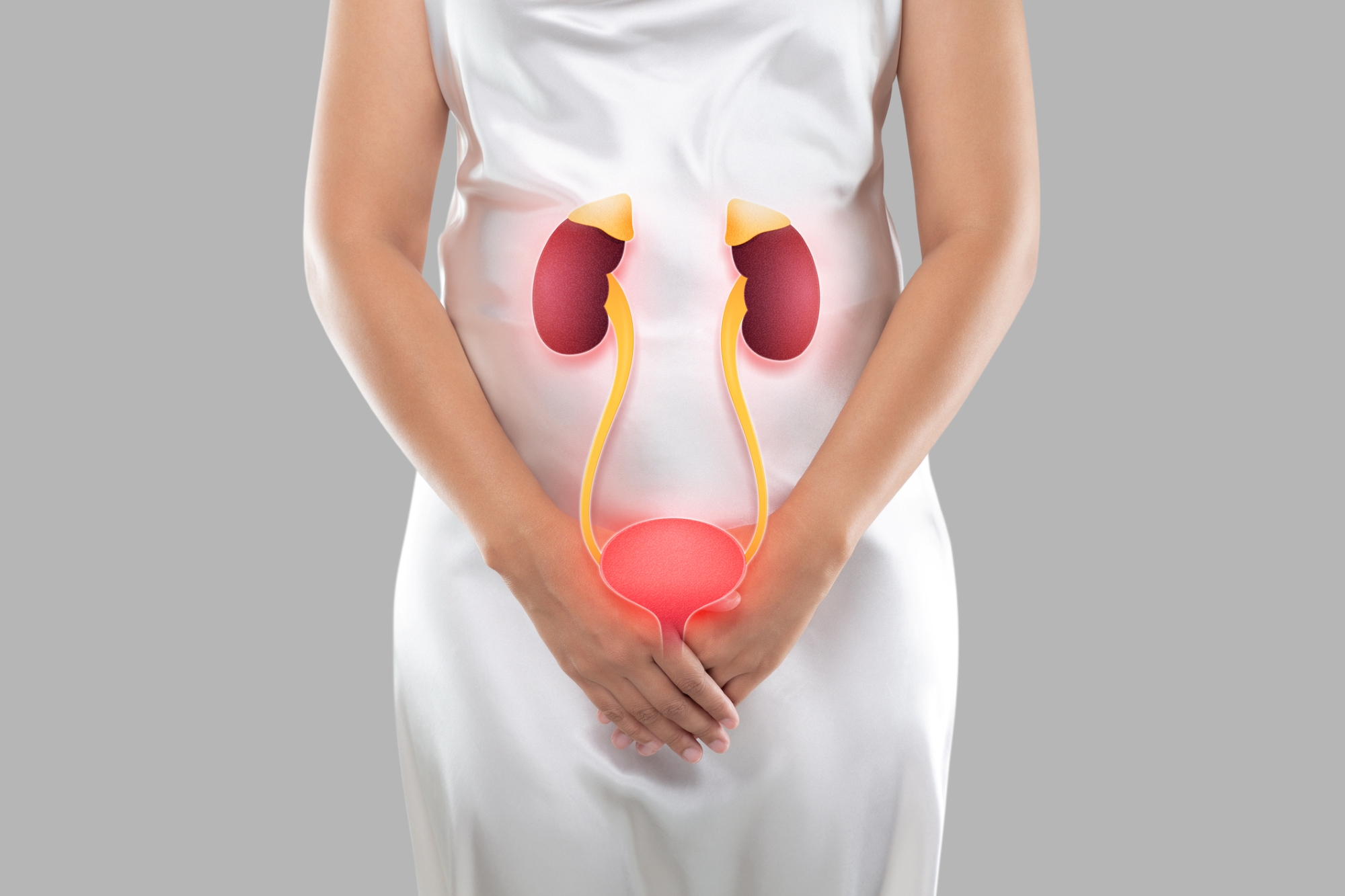
Urinary tract infections are among the most common bacterial infections, affecting millions each year.
For many, a UTI is dismissed as a short-lived inconvenience causing burning, frequency, lower abdominal discomfort or cloudy urine. For some, UTIs become recurrent, distressing and potentially serious.
Around 50% of women experience at least one UTI, and about 25% develop recurrent UTI (rUTI), defined as two infections within six months or three within 12 months.
Why UTIs matter
A UTI occurs when bacteria enter the urinary system. While many infections respond well to treatment, others spread to the kidneys or bloodstream, causing sepsis and hospital admission.
rUTIs can affect sleep, work, relationships, mental wellbeing and confidence. They also create a major healthcare burden through GP appointments, antibiotics, emergency attendances and referrals.
Earlier community care could reduce suffering, prevent complications and free specialist clinics for complex cases
Prevention and treatment
Most uncomplicated UTIs can be managed safely in the community with early recognition, hydration, pain relief and short-course antibiotics where needed. rUTI needs a proactive approach.
NICE recommends fluid and behavioural measures, topical vaginal oestrogen for peri and postmenopausal patients, and methenamine hippurate as first-line options. Methenamine hippurate has shown benefit comparable to low-dose antibiotic prophylaxis in a multi-centre UK trial.
Cranberry products or D-mannose may be considered, although evidence is variable. Low-dose antibiotic prophylaxis remains an option if these measures fail.
UK-based data, including a national UTI audit by the British Association of Urological Surgeons, found that over 65% of women referred to specialists hadn’t received first or second-line therapy and may not have needed referral at that stage. Earlier community care could reduce suffering, prevent complications and free specialist clinics for complex cases.
Future of UTI care
Patients need clear information about rUTI and treatments available in primary care before specialist referral. This empowers patients, supports shared decision-making, reduces specialist pressure and allows complex cases to be seen sooner.
UTIs are common, but they shouldn’t be trivialised. Better prevention, community care and smarter use of resources are key to better outcomes.
[1] Chitteti, P. et al. (2026). Treatment outcomes of multidisciplinary management of recurrent urinary tract infections: A 2-year experience in a dedicated complex-UTI clinic. https://tinyurl.com/yj3m9k95.