
Eleanor Wheeler
Director of Consulting, The Health Policy Partnership
Mobile screening can increase access to early cancer detection and intervention. Discover how it can help reduce inequalities in accessing health services.
Despite improved cancer survival rates, inequities in survival across the UK reflect broader health disparities. People in the most deprived communities experience increased likelihood of a late diagnosis and higher death rates.1
Improving inequitable outcomes through screening
Cancer screening is part of the solution, aiming to identify cancer early when there are more treatment options. However, many screening programmes have disproportionately low uptake among underserved communities, meaning people typically at highest risk are less likely to benefit from early detection.2 This makes it vital to explore approaches that make access more equitable.
Reducing barriers to screening access
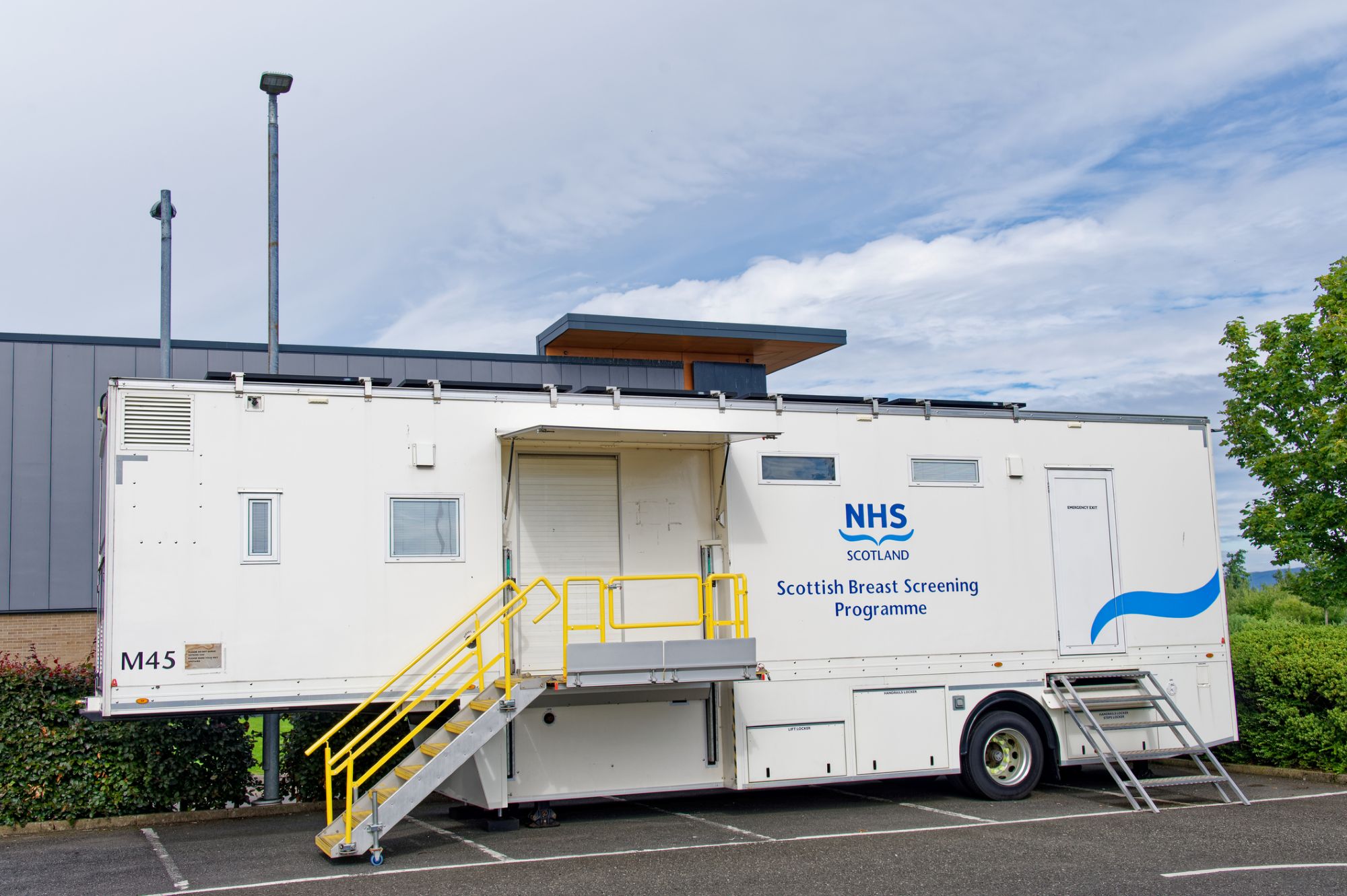
In 2023, a targeted screening programme for lung cancer was announced for England, following the success of the Targeted Lung Health Check scheme, which used mobile screening units.3 Mobile screening tackles health inequalities by addressing access barriers in underserved communities and increasing access to additional health services.
Mobile vans bring screening into neighbourhoods, reducing barriers such as travel time, cost and the need to miss work to attend appointments. For people with mobility problems, limited transport or caring responsibilities, mobile units make screening more accessible.4
Mobile vans bring screening into neighbourhoods, reducing barriers such as travel time,
cost and the need to miss work to attend appointments.
Improving access to health services more broadly
Mobile programmes can also link screening to immediate support services, such as smoking cessation, rapid referral pathways and community health navigators. This makes a single contact an opportunity to increase access to other services. These services can support risk reduction, earlier diagnosis and better survival.
Mobile screening is not a stand-alone fix, but a high‑impact equity tool that removes logistical hurdles to reach the people least able to access hospital screening. If paired with policies on poverty, education and primary care, this approach could help close significant health gaps.
[1] Scott, E.C.S. & Hoskin, P.J. Health inequalities in cancer care: a literature review of pathways to diagnosis in the United Kingdom. eClinicalMedicine.
[2] NIHR. 2023. Uptake of population screening programmes in under-served groups.
[3] University Hospitals of North Midlands. 2025. UNHM launches mobile lung cancer screening CT scanner to enhance accessibility across the country.
[4] Karanth, S.D. et. al. 2024. Rethinking how mobile units can catalyze progress on lung cancer screening: a scoping review of what we have learned. Journal of Thoracic Disease.