Health Awareness
Children’s Health
-

Help young people build healthier habits with these small snack tweaks
As diets among UK teenagers fall short of key nutritional recommendations,1 healthier snacking habits could play an important role in supporting their health long-term. For many, snacking is a daily habit. The question is not whether young people snack, but what they are snacking on. Getting the right nutrients as they grow Snacking itself is...
-

Steps for both parent and child to navigate returning to school
Children’s return to school or move to secondary school can feel like a big task. Learn how to support your child — and yourself — through this transition. Understanding why the transition feels hard is a helpful starting point. Some children adapt quickly, while others find a new environment overwhelming. Recognising this can help you...
-
s Sponsored
Simple is safest: what parents need to know about baby sleep and feeding products
Rebecca Guy, Senior Policy Manager, Royal Society for the Prevention of Accidents (RoSPA), offers guidance to new parents about creating a safe sleep environment and feeding practices for their baby. Which baby sleep products should parents be cautious about, and why? Rebecca Guy (RG): Parents should be cautious of products marketed as helping babies sleep...
-
s Sponsored
Why back-to-school preparation is crucial for severe allergy management
Children with severe allergies are at risk of life-threatening anaphylaxis. Parents and teachers should have robust action plans in place and know what to do in an emergency. Adolescence is a high-risk period for severe or fatal anaphylaxis, driven by poor carriage, lack of confidence or delayed adrenaline use as they worry about over-reacting or...
-
UK children deserve better health and prevention services
This year’s State of Child Health report exposes worsening outcomes and inequalities across the UK. It calls for urgent investment in child health services to prevent neglect and health risks. Every child in the UK deserves the best possible start in life. Right now, too many are being denied it. Health issues and inequities faced...
-
Supporting children in their secondary school transition
Thousands of eleven‑year‑olds are navigating their first days of secondary school this September. Transitioning from primary school to Year Seven is more than a change of uniform; it’s a major emotional milestone. Children are moving from being the oldest in their primary school, with familiar classrooms, routines and teachers, to being the youngest in a...
-

Equip your child to advocate for themselves in the transition from primary to secondary school
The move from primary to secondary school is a major milestone – a leap not just in size, but in responsibility. A young person must navigate a larger school, manage a busy timetable, travel more independently and make their own choices, including which foods to eat. For those living with allergies, this shift adds responsibility,...
-

Putting experts by experience at the forefront of future children’s healthcare
Planning the future of children’s health services is complicated, with dozens of professionals involved. But as one project team has discovered, children and families with lived experience offer vital insight that makes them think differently. As a paediatric nurse of over 20 years, I’ve cared for hundreds of children, young people and their loved ones....
-
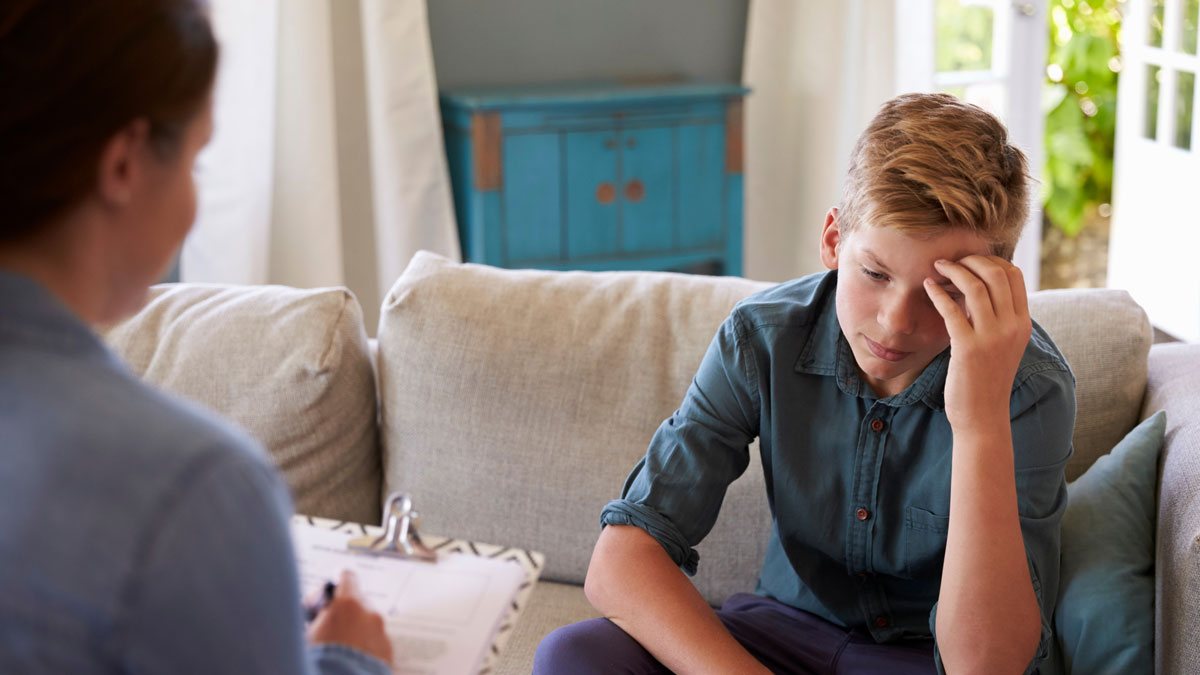
Tackling children’s mental health waiting lists through innovation
Mental health issues among young people are rising, with 1 in 5 children in England now living with a probable mental health disorder,1 and nearly 40,000 children are waiting at least two years for support.2 Across England, the Health Innovation Network is implementing and scaling innovations and new models of care which can reduce waiting...
-

s Sponsored
Rare diseases affect millions of children in Europe: how do we deliver the treatments?
We must address the challenges of expanding the reach of medicines for rare childhood diseases in Europe. Too many children are unable to access new medicines. Here’s how we can fix it. Rare diseases, including childhood cancers, are a major cause of death for children. Rare diseases affect up to 36 million people in the...
-
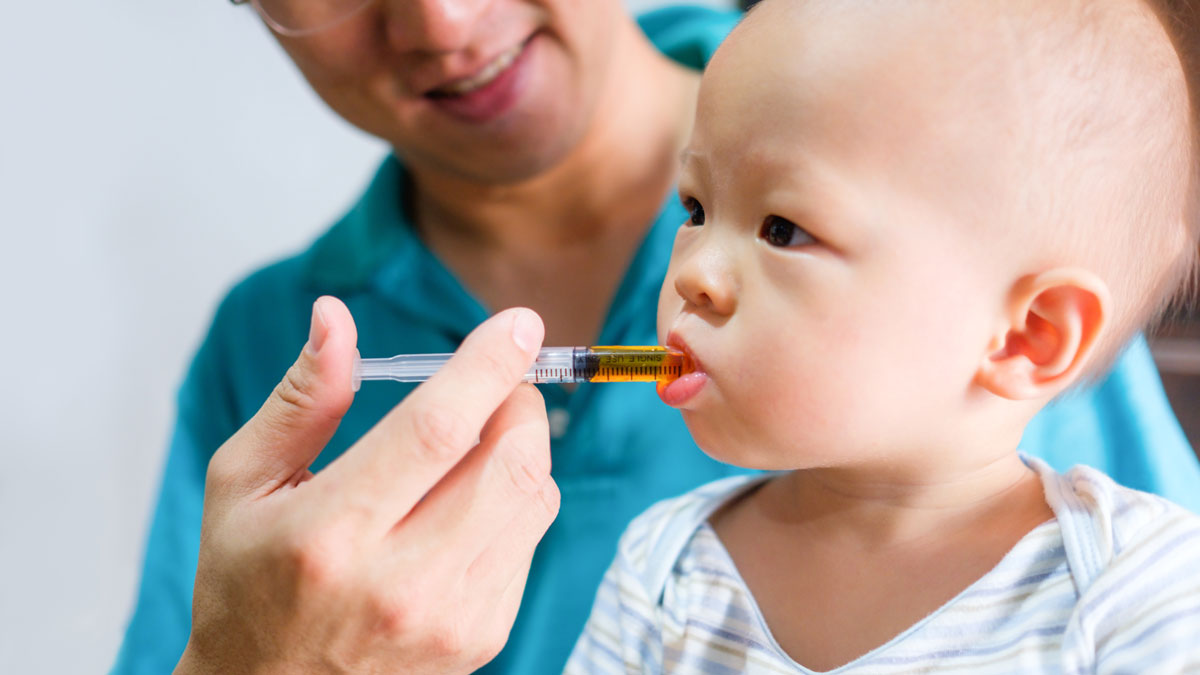
Project improves access to medicines for children
Across Europe, too many children with rare diseases are still waiting for effective treatments. The conect4children project has laid the foundations for a faster, more inclusive research system. Across Europe, children, particularly those living with rare diseases, still face major barriers in accessing the medicines they need. Urgency of rare disease research A disease is...
-
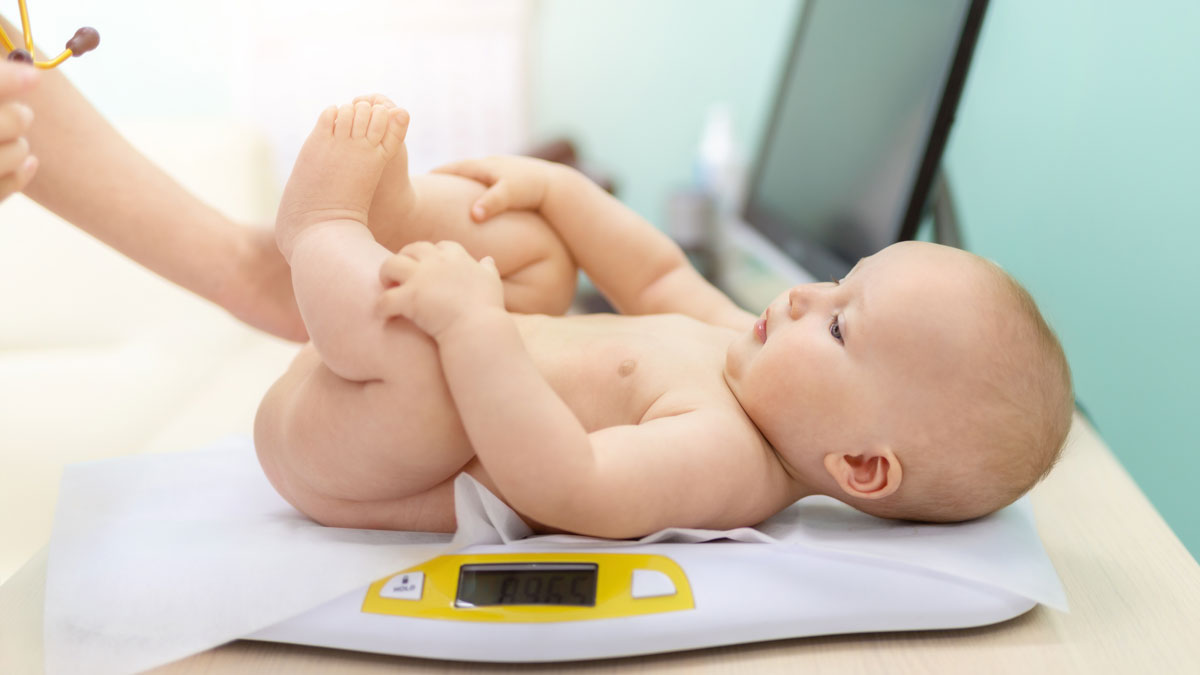
Newborn screening for rare conditions needed now
Just weeks ago, the World Health Assembly (WHA) passed a resolution for rare diseases. The text noted that diagnosis of a rare condition can take over five years, and some never get a diagnosis; around 70% of rare conditions are genetic in origin; and nearly half of these start in childhood.1 United for rare disease...
-

Fighting malaria before birth: clinical trials to protect mothers and babies
Protecting children’s health begins even before they are born. New clinical research is now making important strides to safeguard mothers and their babies from a persistent threat in many parts of the world: malaria. Malaria during pregnancy can lead to the development of placental malaria, a major cause of stillbirths, preterm deliveries, low birth weights,...
-
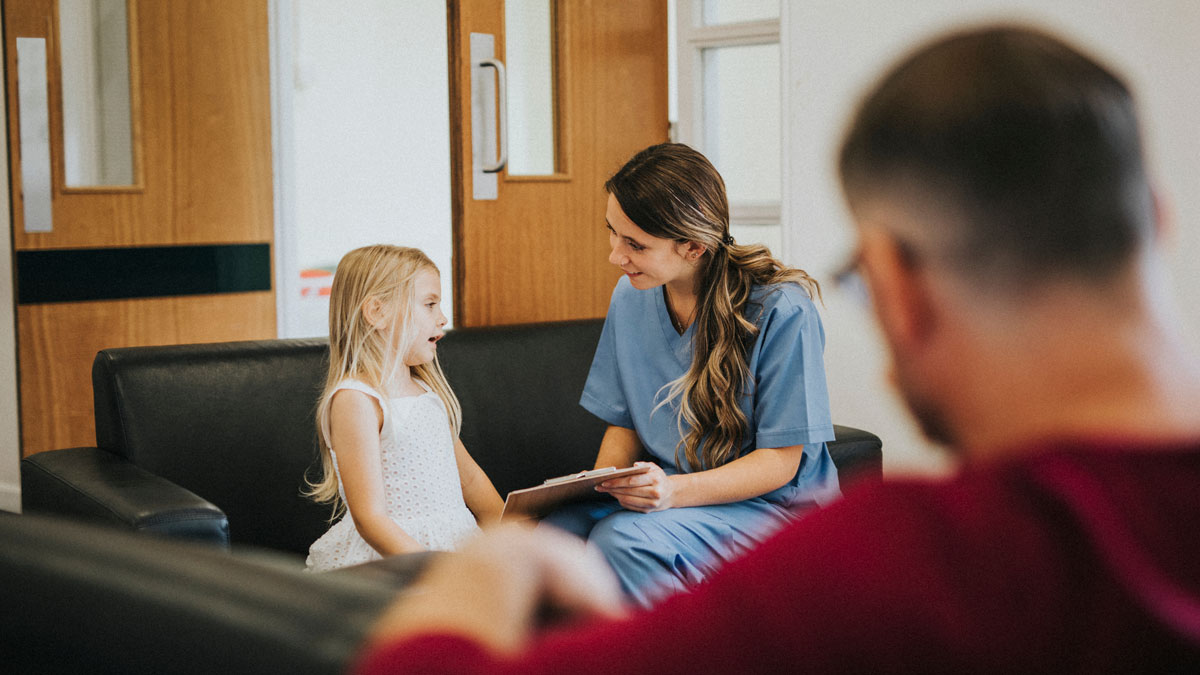
Building paediatric palliative care for the future
Palliative care for children and families plays a vital role in supporting those with life-limiting conditions. But services – delivered by hospitals, hospices and community services – are under strain. Supporting every family A held hand, a listening ear, support for siblings – every child and every family deserve dignity, comfort and compassion, especially those...
-

Vanished, but not forgotten: the impact of Vanishing Twin Syndrome
During a routine scan, Olivia Bowen, and her husband Alex, were told one of their twins was no longer developing—a condition Olivia later discovered was Vanishing Twin Syndrome (VTS). “I didn’t even know there was a name for it,” Olivia recalls. “It happens when you’re carrying multiples and one baby stops developing early on. The...
-
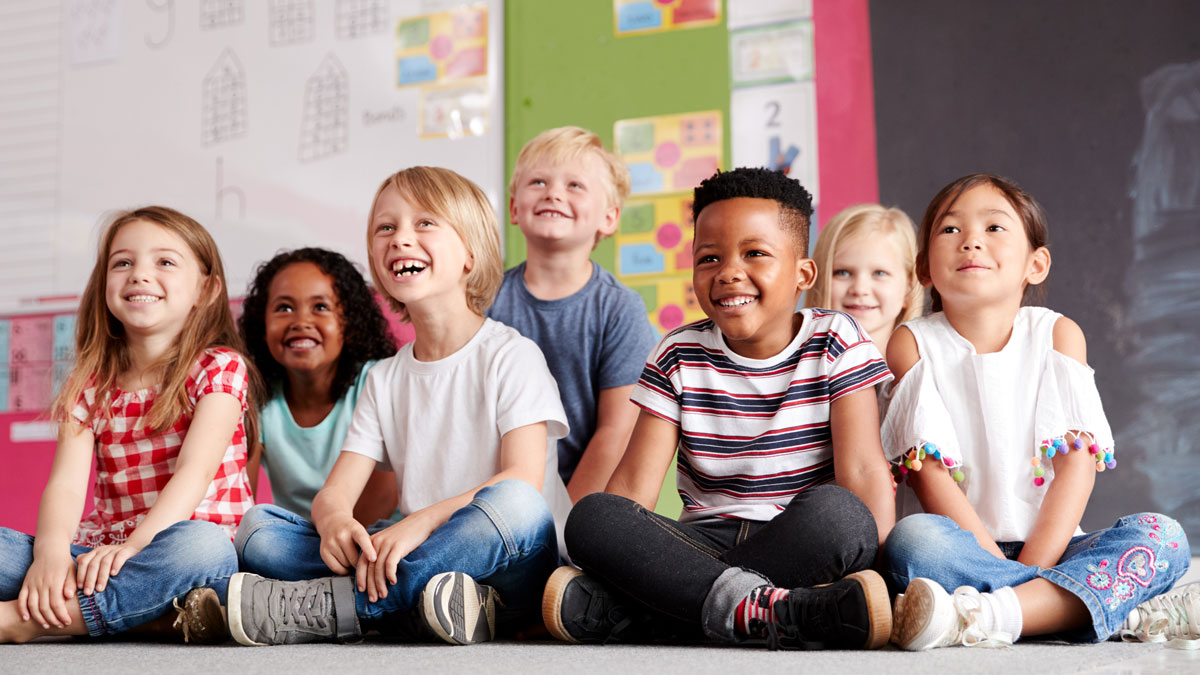
Raising national awareness about child health and wellbeing
Children are at the heart of our communities, influencing today’s culture and shaping tomorrow’s society. Prioritising children’s wellbeing means ensuring they feel safe, supported and able to flourish as important young citizens. Healthy, happy children today lead to stronger, more compassionate communities tomorrow. It’s not only about immediate benefits but also creating long-term positive impacts...
-

s Sponsored
Ultra-rare genetic disease often confused with cancer in children
FOP turns patients’ muscles and tendons into bone and is often misdiagnosed. Know the signs and how to get more information on this rare, disabling condition. Fibrodysplasia ossificans progressiva (FOP) is one of the rarest, most disabling conditions known to medicine. With only 1,000 confirmed cases worldwide, the disease exhibits no ethnic, racial or gender...
-

Why you shouldn’t just correct your child’s short-sightedness with glasses
A new parent-focused portal is launched to increase awareness of childhood myopia, what it really is and what you should be doing about it. Myopia (short-sightedness) affects one in three people in the UK; however, it is now twice as common as in the 1960s. Of the 5 billion people globally predicted to be myopic...
-

Ensuring paediatric medicines are tailored to young people and children
Patient engagement is key. Young patients and their families involved in paediatric drug development contribute to faster and more efficient medicine development. Patient engagement in the process of drug development can lead to active collaboration between developers, researchers, clinicians and patients who come together and share their knowledge and expertise throughout a medicine’s lifecycle. This...