Health Awareness
Managing pain
-

Pain management in the UK’s ageing population
With rising expectancy, older adults encounter more complex pain conditions, often compounded by multimorbidity and cognitive changes, demanding careful consideration of medicines, interventions, side effects and patient experiences. The UK population aged 65 and over is projected to rise to 27% by 2072 (ONS, 2025), with increasing social and healthcare challenges. Chronic pain rises substantially...
-
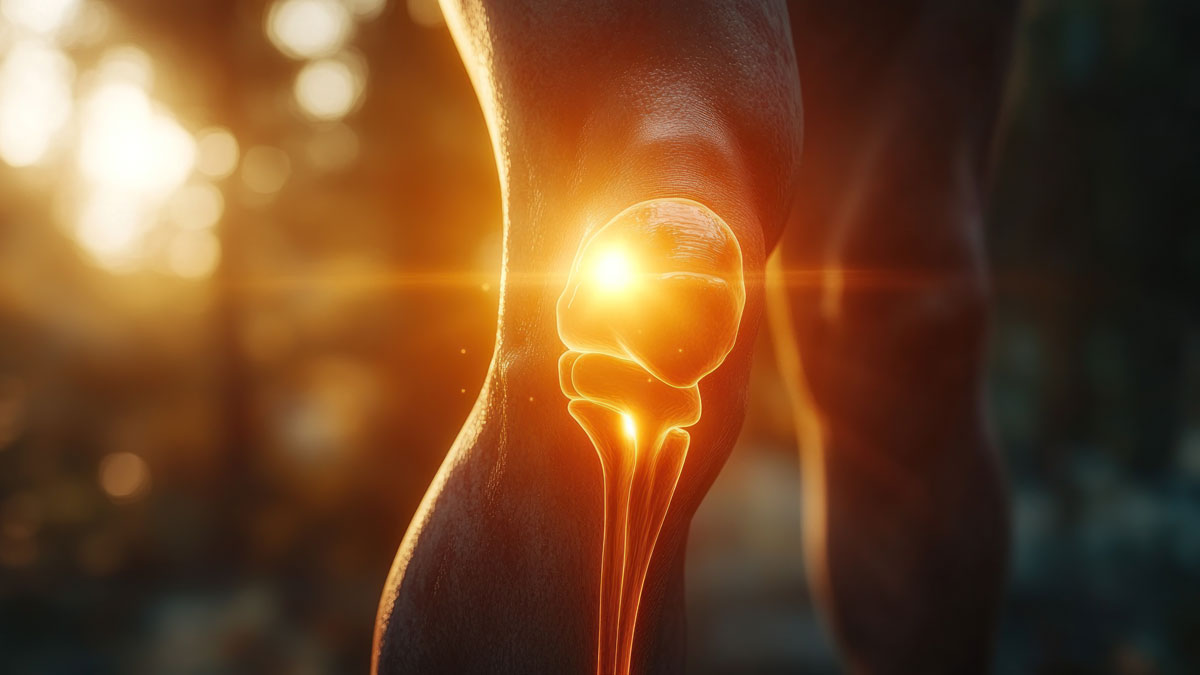
Five steps to stronger bones at any age
Around 3.5 million people in the UK have osteoporosis,1 a condition that weakens bones and makes them more likely to break. By the age of 50, one in two women and one in five men will experience a broken bone (also referred to as a fracture) because of osteoporosis.2 While the statistics sound daunting, there’s...
-

s Sponsored
Tackling the scourge of joint pain for the over-55s
Joint pain often strikes people just as they are seeking to remain active as they enter their older years. Joint pain is a major issue within an ageing population and one that adds to the burden on an already overstretched health service in the UK. Its onset often comes among people aged 55 and upwards...
-

How complex regional pain syndrome exposes the chronic pain gap
Complex regional pain syndrome (CRPS) is a little-known chronic pain condition. Its story shows why patients need better recognition, support and change. The agony of CRPS CRPS is a rare but devastating chronic pain condition, often triggered by a minor injury, that causes excruciating, disproportionate limb pain far beyond what the initial harm should cause.1...
-

Understanding the person with chronic pain
Pain affects 28 million people in the UK1 and can affect every part of life. Here, three voices show how research, healthcare and lived experience drive change together. The British Pain Society’s (BPS) new strategy is championing care that’s multidisciplinary, research-informed and person-centred. Pain science meets lived experience Pain research must be shaped by those...
-
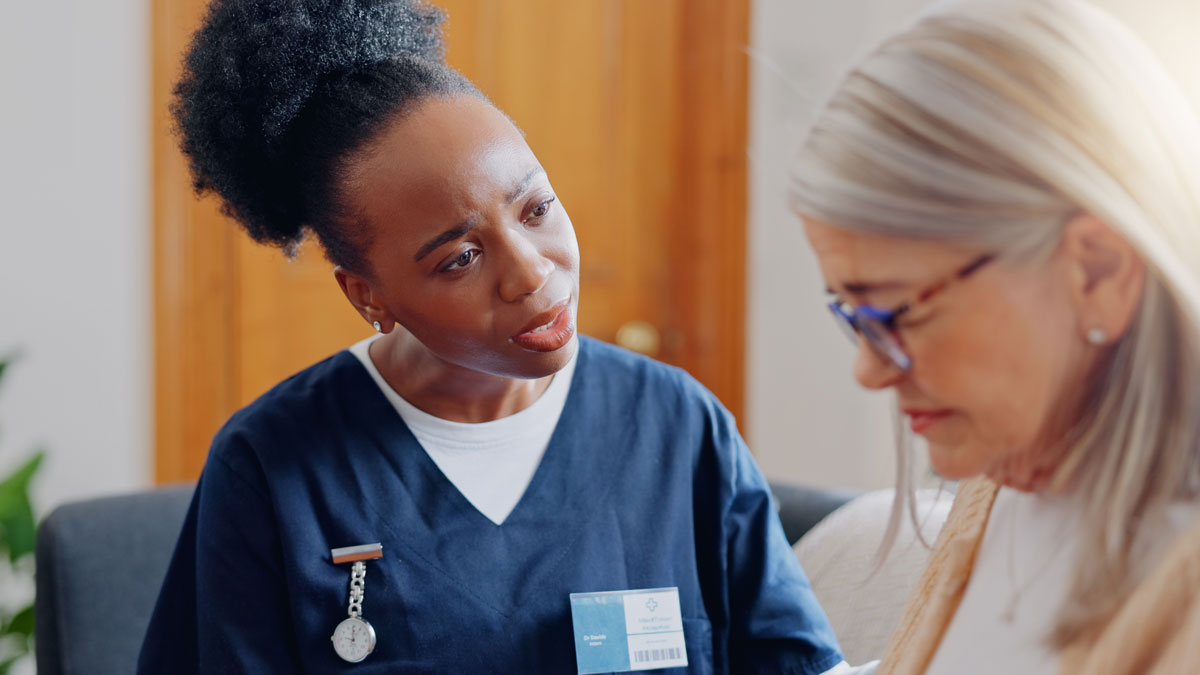
Chronic pain: medicine’s silent struggle
Chronic pain affects an estimated 28 million people in the UK,1 yet alongside patients’ suffering lies another hidden burden: clinicians struggling to manage an increasingly complex condition. Pain UK’s survey of clinicians at the 2024 Royal College of GPs Annual Conference revealed frustration and helplessness, tempered by empathy, as dominant experiences in managing patients with...
-

A community-first approach to bridging the diagnostic gap
Chronic musculoskeletal conditions, such as osteoarthritis and persistent, undiagnosed joint pain, are a leading cause of disability and healthcare utilisation in the UK.1 Delays in diagnosis, particularly for infectious arthritis, can result in prolonged pain, missed windows for early treatment and an overburdened secondary care system. Faster arthritis diagnosis breakthrough OrthoDx are seeking to address...
-

s Sponsored
Why women’s pain is underestimated and how awareness of the gender pain gap can help
The gender pain gap (GPG) highlights disparities in how pain is perceived, treated and managed between genders and shines a spotlight on the need for better women’s healthcare. Ongoing research reveals biases, stereotypes and disparities in pain management contributing to the unequal identification and treatment of women’s pain. What is the gender pain gap? The...
-

s Sponsored
How new medications can reduce the UK’s opioid dependence
Codeine-free over-the-counter analgesics — which combine paracetamol and ibuprofen — can offer patients a more effective pain relief option that may help reduce opioid dependence. Much has been written about the scourge of opioid addiction in recent years. Yet, in the UK, there’s a temptation to think that this issue only affects other countries. That’s...
-

s Sponsored
Only together can we tackle chronic pain
Chronic pain is life-changing for people with arthritis and other musculoskeletal conditions. Teamwork and listening to people with lived experience is the path forward to beating chronic pain. As the UK’s largest dedicated funder of arthritis research, Versus Arthritis is helping to bring together the expertise needed to push back on pain. Chronic pain’s societal...
-

How Frida Kahlo used art and her self-portraits to express chronic pain
Explore Frida Kahlo’s raw portrayal of chronic pain in ‘The Broken Column.’ Discover how her art reflects resilience through her pain and suffering. Pain is invisible and hard to explain. People often feel disbelieved, even ridiculed. That emotional abandonment is pure suffering. It’s time to see pain to look at who we really are. Expressing...
-

Why pain should be recognised as a vital sign — and how it will help patients
Pain should be a vital sign. Learn why it’s crucial for healthcare to prioritise pain assessment, ensuring better patient care and comprehensive health monitoring. Healthcare professionals routinely monitor four measurable vital signs: (1) body temperature; (2) pulse rate; (3) respiration rate (rate of breathing); and (4) blood pressure. Assessing pain as a vital sign Currently,...
-
Why endometriosis should be given parity with other chronic conditions
Menstrual health has long been a deprioritised and underfunded area. Learn why the state of endometriosis care must be addressed urgently. The latest Endometriosis UK research shows that, on average, it takes 8 years and 10 months to get diagnosed with endometriosis in the UK. Since 2020, gynaecology waiting lists in England have grown faster...
-

s Sponsored
Don’t let working from home be a pain in the back
Find some tips for better back health, especially while working from home. Improve posture, manage weight and stay active with simple, effective strategies. Before the Covid-19 pandemic, it is estimated that less than 5% of employees worked from home. During the pandemic, this rose to nearer 50% of employees spending at least a part of...
-

Technologies transforming management of back and joint pain
Patients suffering from chronic conditions such as back pain and arthritis could benefit from one of the new technologies transforming the management of long-term pain. With increased waiting times for NHS surgery, helping people manage their pain while waiting for surgery is more important than ever. In some cases, surgical ‘waiting lists’ are now seen...
-
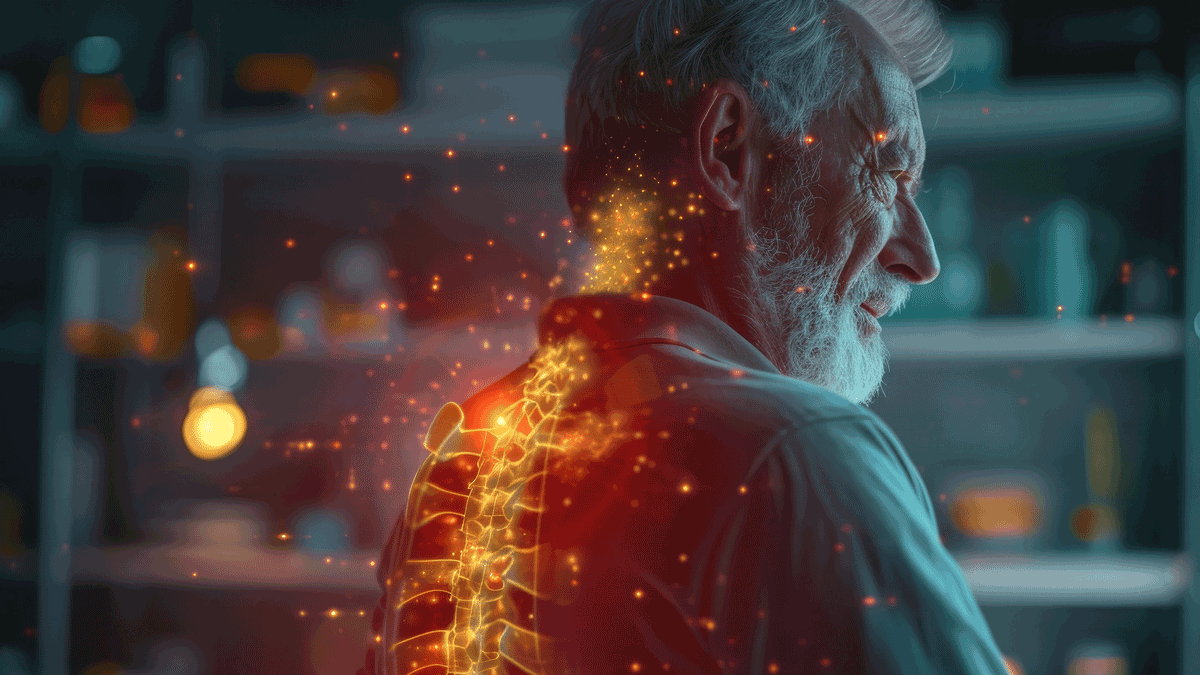
Chronic pain relief requires a personalised approach
Chronic pain impacts 20% of the population. We need to shift from medical treatments to holistic, supported self-management approaches. Pain becomes chronic after three months when tissue healing has usually been completed. Moderate to severe disabling chronic pain affects around 8 million adults in the UK, disrupting lives of individuals, families and communities. Back pain...
-
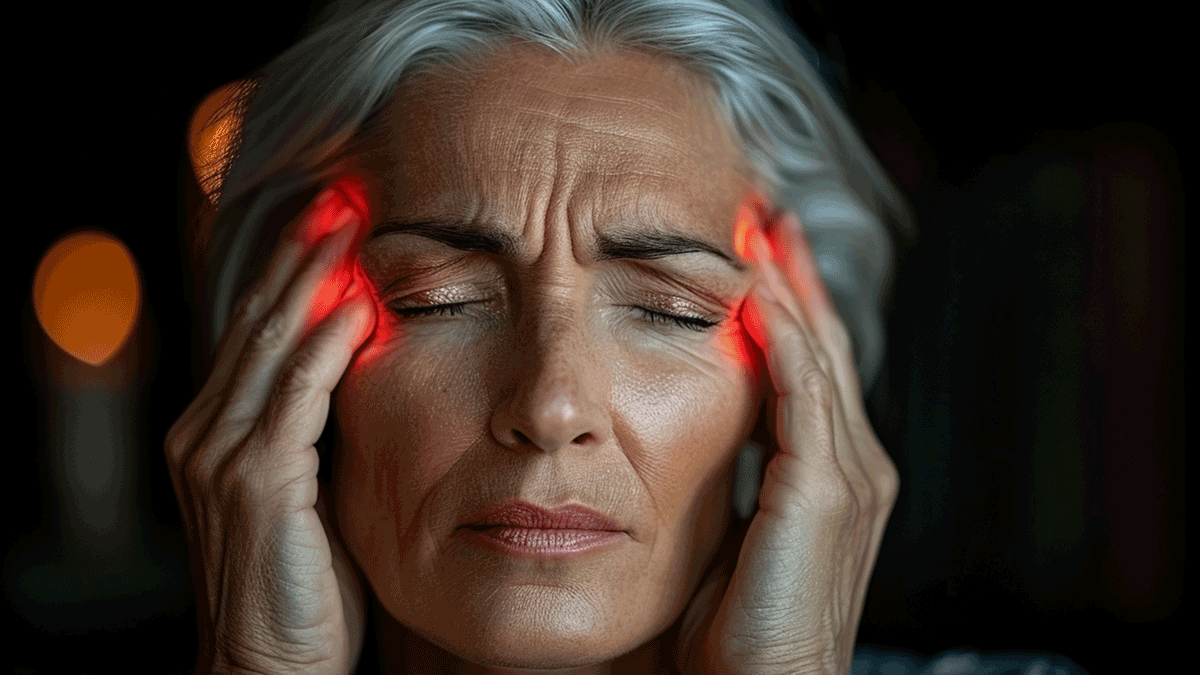
Closing the research gap is key to reducing migraine pain
To address migraine pain, we must uncover how this common condition affects different people. Explore hormone influences in women, underfunded research and tailored treatments. Around 10 million people live with migraine in the UK; approximately 70% are women. Female hormones increase the likelihood of a migraine attack, with worsening attack occurrence after puberty, across the menstrual...
-

Why keeping active is key to preparing for and recovering from surgery
NHS waiting list figures are at a record high with over 7.4 million people awaiting treatment and 830,000 waiting for trauma and orthopaedic (T&O) treatment, such as hip or knee replacement, in England alone. Waiting times are at peak levels across the UK, with 62% of people waiting more than a year to be admitted...
-

What it’s like to live with migraine and how the right environment helps
Many people will be familiar with the word migraine. However, there is a high level of misunderstanding about what a migraine actually is and what it means to live with it. A migraine is more than ‘just a headache.’ There is a common misconception that someone with migraine will need to take paracetamol or lie...