Health Awareness
Dermatology
-
s Sponsored
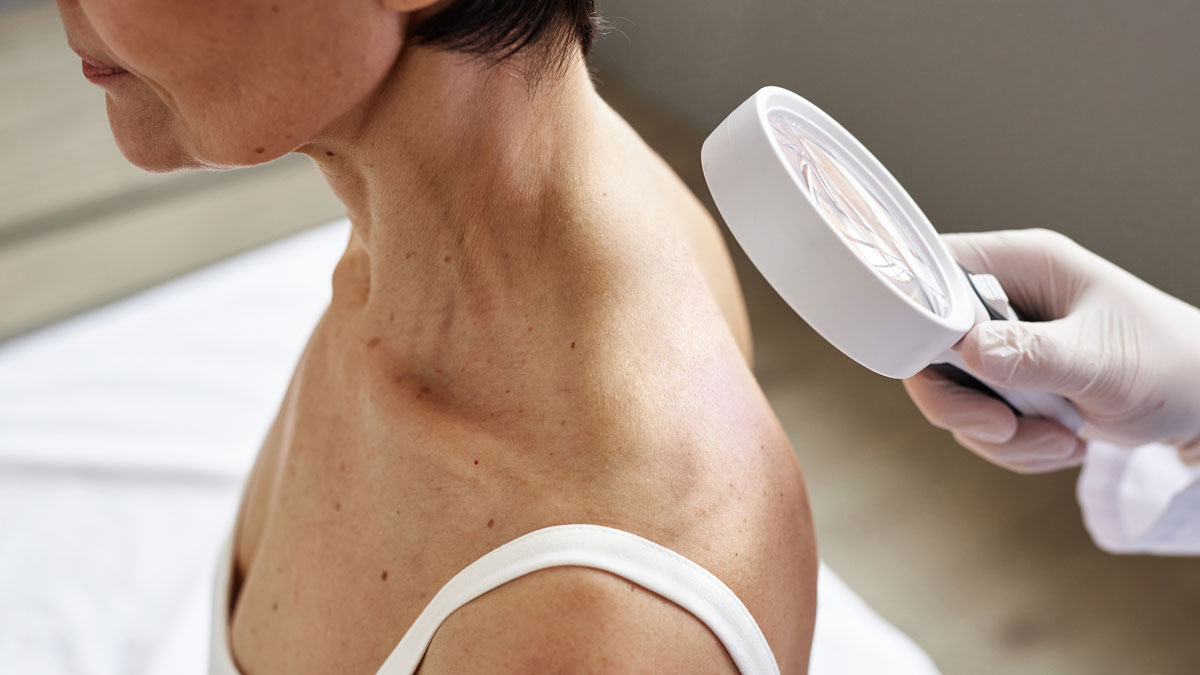
Mohs micrographic surgery: gold standard care for skin cancer
Experts consider Mohs surgery the most effective treatment for skin cancer, with up to a 99% cure rate and minimal scarring. Mohs micrographic surgery is a specialised procedure that accurately removes skin cancers on the face in a single appointment. At the forefront of this advanced treatment is our team at St John’s Institute of...
-
The unseen story behind living with psoriasis
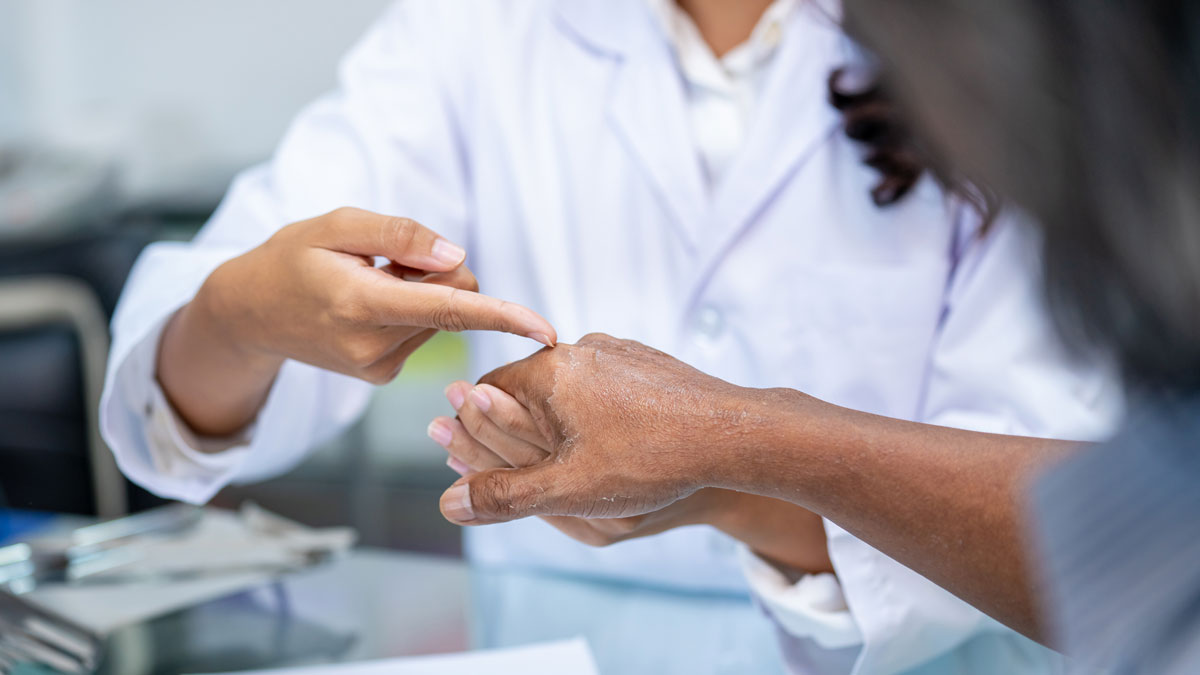
How do you manage a condition that is visible but also invisible; living with symptoms daily, but people only sympathise when they can see it? That’s what it’s like to live with psoriasis. Psoriasis is a condition that is so used to being characterised by the skin element that when the skin is clear, people...
-
The misunderstood mental and physical impact of psoriasis
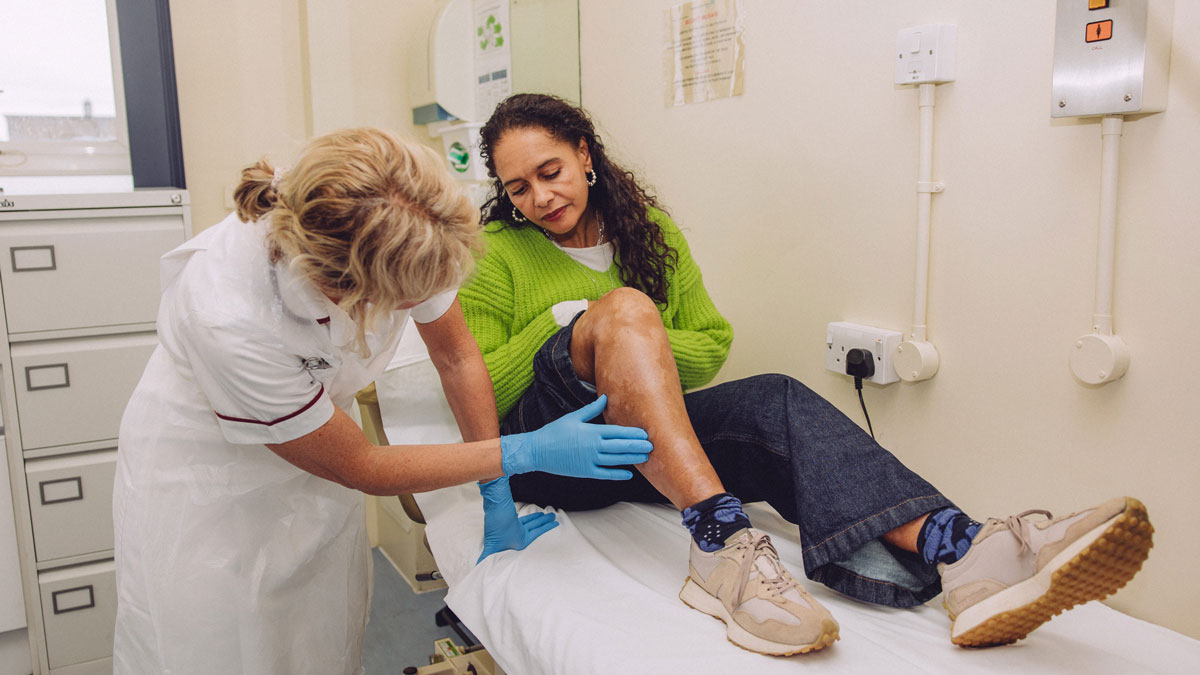
Psoriasis is a chronic condition resulting from an overactive immune system. Affecting the skin and joints, this long-term condition can affect all aspects of one’s day-to-day life. Psoriasis is an immune-mediated inflammatory disease (IMID), meaning the immune system is not functioning correctly. In psoriasis, the immune system is overactive, causing symptoms on the skin and...
-

s Sponsored
Skincare science, skin ageing and sun damage explained by a dermatologist
Renowned dermatologists use science-backed skincare to promote skin longevity — and here’s how you can benefit from it. Like most dermatologists, when I started my career, my standard skincare advice was simple: moisturise and wear sunscreen. However, the science around topical skincare has progressed immensely in the last 10–15 years, proving the undoubted efficacy of...
-

s Sponsored
Why you shouldn’t take an ‘out of sight’ approach to your scalp health
Don’t neglect the health of your scalp, says Consultant Dermatologist Dr Sharon Wong. You should treat it with the seriousness that you treat the rest of your skincare routine. More of us realise the importance of skin health these days. Yet, it’s easy to neglect the skin on our scalp. “There’s been an ‘out of...
-

s Sponsored
The tech-infused transformation that’s reshaping skincare routines
Learn how brands are transforming skincare with digital innovation. Enhance your beauty routine with personalised products and tailored technology. By adopting a unique skincare philosophy, brands can enhance their digital presence and consumer engagement. This approach enables brands to differentiate themselves from competitors, capturing the attention of niche markets and broad audiences alike. It also...
-

s Sponsored
Taking a pain-free approach to non-melanoma skin cancer treatment
Patients with invasive non-melanoma skin cancers have often had to endure painful surgery which can leave scars. However, a non-invasive, pain-free option is now available. Non-melanoma skin cancers (NMSCs) — which include basal cell carcinomas and squamous cell carcinomas — are worryingly common. Between 2007–2017, incidences increased by 33%, reaching 7.7 million cases worldwide. One...
-

s Sponsored
How the philosophy of ‘ecobiology’ can help treat patients with acne-prone skin
Ecobiology in skincare treatment centres around mimicking the skin’s natural biology to promote healthy, balanced skin. This can be an effective way to treat patients with acne. Acne is surprisingly difficult to define, admits Dr Bernard Ho, Consultant Dermatologist at St George’s Hospital, London. From a medical standpoint, it’s not just the odd pimple or...
-

Pioneering melanoma research set to reduce worry and follow-up appointments for patients
A recently developed antibody test, AMBLor, can tell doctors whether a patient’s melanoma is at very low risk of spreading or in need of closer care. Melanoma is the most serious of all skin cancers, with 20,800 new diagnoses projected this year alone in the UK. It spreads (metastasises) very easily, so everyone with the...
-

Navigating nutrition and acne through mental health and tailored treatment
For acne awareness month, consultant dermatologist Dr Anjali Mahto highlights how diet, lifestyle and mental health can affect acne — and why there’s more to it than what you eat. The factors contributing to acne are complex. Nutrition, or diet, is just one of them. Genetics, hormones, skincare and mental health are just as important....
-

Why investing in psychodermatology research is a priority
Skin health significantly impacts people’s wider wellbeing. We must invest in more psychodermatology research, exploring the links between skin and mind to make a real difference in people’s lives. The health and appearance of our skin are closely connected with our wider physical, psychological and social wellbeing. In a new survey conducted by the Skin...
-

Advancing dermatology education: empowering primary care and community services
NHS dermatology services are facing unprecedented challenges due to long waits, high referral rates and lack of specialists, which ultimately impact patient care. Skin disease is a significant health burden and represents one in four primary care consultations, despite primary care clinicians often receiving little to no dermatology training. Dermatology education for healthcare professionals For...
-

Skin cancer cases soar as 28% of UK adults admit sunbed use
Over the last decade, melanoma skin cancer incidence rates have increased by around a third (32%) in the UK. It is estimated that, across the country, sunbeds cause about 440 melanomas and around 100 deaths each year. New data released this month by the charity Melanoma Focus has found that over a quarter (28%) of...
-

Managing psoriasis under the sun with sunwise practices
Sun safety is crucial for those with psoriasis. Explore sun safety tips and learn about hospital UV treatment for this condition affecting 2–3% of the UK population. In the UK, psoriasis affects around 1 in 50 people. It can develop at any age, with early adulthood or between 50 and 60 being common. What is...
-

Living with vitiligo and finding the right treatments for you
Learn about the early signs and onset of vitiligo, its treatments and psychological impacts. Learn how to manage and reduce the stigma associated with this chronic skin disorder. Vitiligo is an acquired chronic disorder, which causes depigmentation of the skin. It can affect both males and females and accounts for 1–2% of the global population....
-

s Sponsored
Find comfort in the right skincare for your radiotherapy treatment
Radiotherapy can lead to radiation-induced skin reactions, regardless of skin colour. This is why it’s important to find the right skincare for radiotherapy. Radiotherapy is a treatment that uses radiation to kill cancer cells. Approximately 60% of cancer patients will have radiotherapy at some point within their treatment pathway, and about 95% of them will...
-

The best self-care: why skincare can help you be kind to yourself
A regular skincare routine is something you can do for yourself every day that takes five minutes and is a form of self-care. We see skincare everywhere, with messaging telling us it is basically going to transform us into a baby dolphin. However, a skincare routine can help more than your skin. As a girl...
-

From insecurity to empowerment: living with vitiligo and the psychological effects
Vitiligo is an incurable skin condition that affects 1–2% of the world’s population and can psychologically impact a person’s life. According to the British Skin Foundation, 60% of people in the UK currently have a skin condition, and 70% of British people with a skin condition or scar say it affects their confidence. What is...
-

Skin cancer can affect anyone: know how to protect yourself from UV radiation
Skin cancer is the world’s most common cancer. As cases continue to rise at epidemic proportions, we must take charge of our skin health and surveillance. In support of National Skin Cancer Awareness Month, skin cancer charity SKCIN explains the important role of the UV index and sun protection in preventing skin cancer. How prevalent...