
Fergal Monsell
President of the British Orthopaedic Association
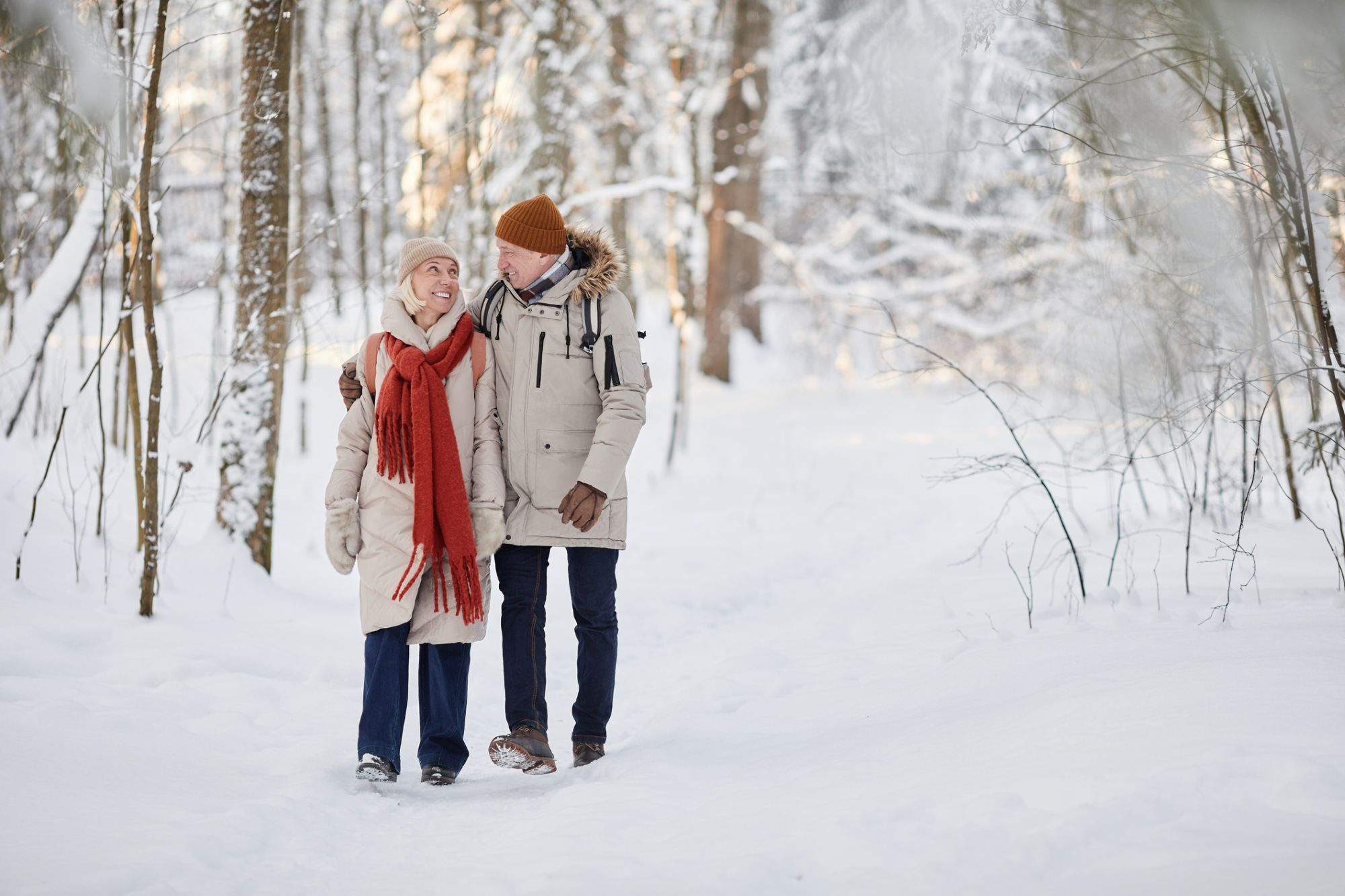
Winter slips can cause serious fractures. Discover how to reduce pain, prevent falls and support safer, healthier ageing.
As temperatures drop, icy pavements and slippery conditions dramatically increase the risk of falls, particularly among older adults and those living with chronic pain or mobility issues. Each winter, emergency departments see a surge in injuries — from minor bruises to severe fractures that can have lasting consequences. Falls are not just isolated accidents; they often signal underlying frailty, poor balance or undiagnosed osteoporosis.
Fragility fractures and prevention strategies
Fragility fractures — breaks from low-impact falls, such as slipping on ice — are rising sharply as the population ages. These fractures challenge healthcare systems globally, increasing dependency, disability and reducing quality of life. Once an individual experiences a first (index) fracture, their risk of subsequent, more serious osteoporotic fractures increases significantly.
Both healthcare professionals (HCPs) and community members play critical roles in reducing these risks. HCPs can identify vulnerable individuals through fracture liaison services, bone health assessments and tailored fall prevention programs. Early diagnosis and management of osteoporosis, combined with physiotherapy and strength training, are key to preventing recurrent fractures.
Each winter, emergency departments see a surge in injuries — from minor bruises to severe fractures that can have lasting consequences.
Preparing for a safer winter season
For individuals and caregivers, preparation is essential. Supportive non-slip footwear, mobility aids and clearing snow or ice from walkways can prevent many falls. Indoors, good lighting, removing trip hazards and maintaining physical activity can improve balance and strength. Vitamin D supplementation and sufficient calcium intake further support bone health during the darker months.
Improving fall risk within the community requires collaboration between clinicians, patients and caregivers. Through awareness, prevention and early intervention after an initial fracture, we can reduce pain, disability and healthcare strain. As winter approaches, proactive preparation can mean the difference between safety and serious injury.
Together, we can make winter safer — one step at a time.