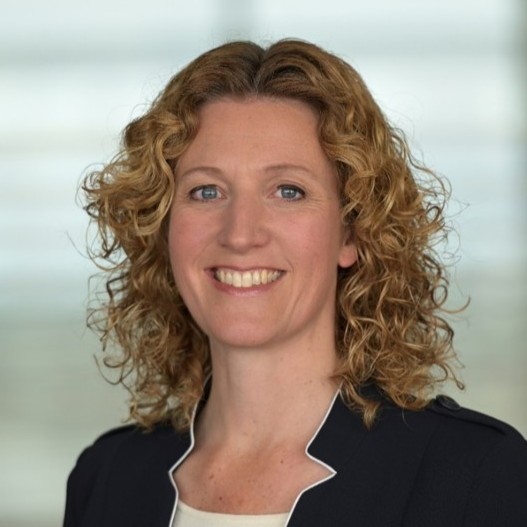
Janneke van der Kamp
CEO of Norgine
This article was developed and funded by Norgine to support enhanced access to rare disease medicines in Europe and beyond.
When we think of innovation in healthcare, the image that often comes to mind is a scientist in a laboratory, discovering a breakthrough molecule that could change lives. And while that moment of discovery is extraordinary, it is only the beginning of a much longer and more complex journey, one that is rarely seen, yet absolutely critical to ensuring patients receive the medicines they need.
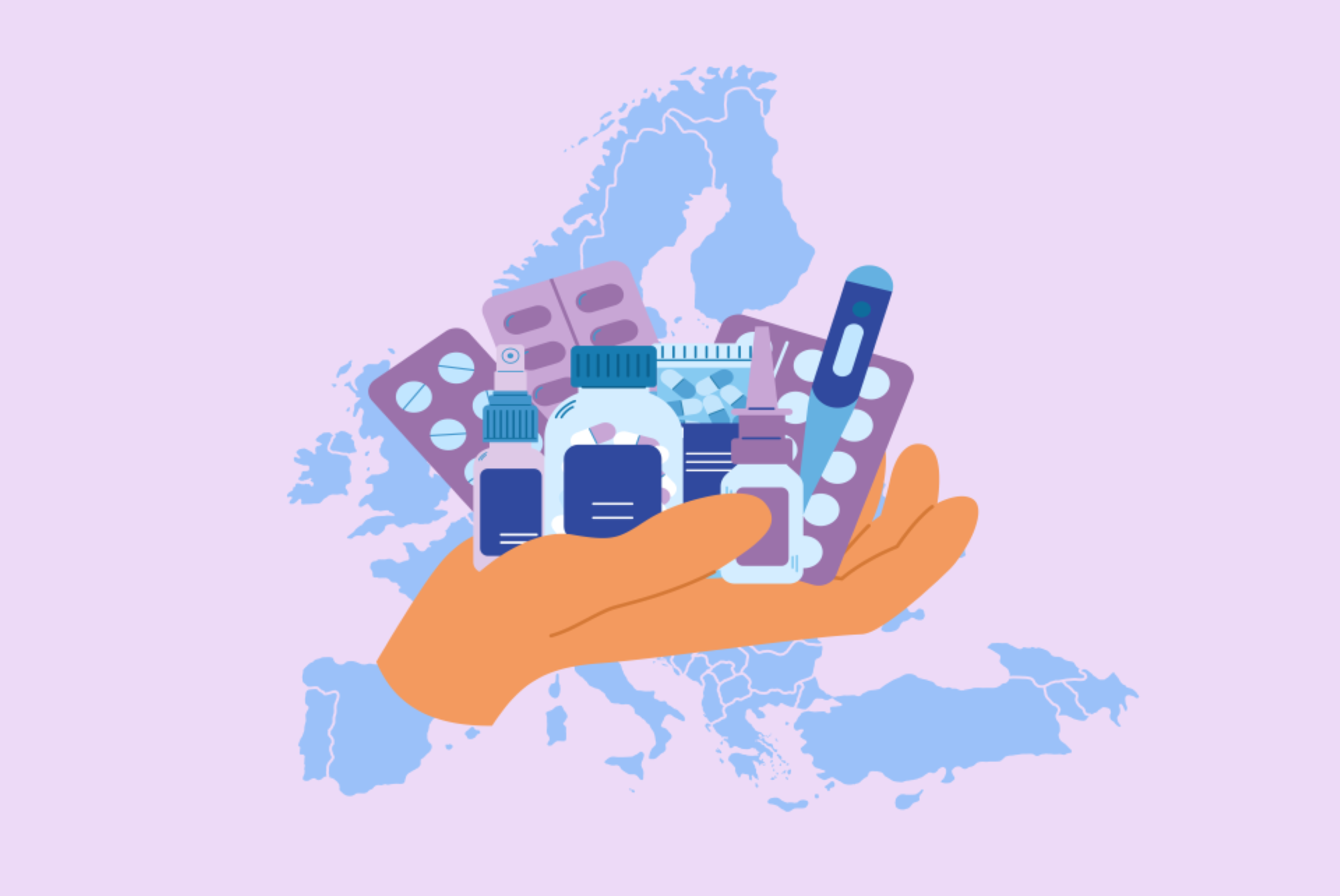
At Norgine, we have extensive and flexible in-house development, manufacturing, and commercial capabilities across Europe, Australia, and New Zealand. We believe that every scientific breakthrough deserves to reach the patients who need it. In the world of rare diseases, however, this is far from straightforward. Europe’s healthcare landscape is fragmented, with complex regulatory frameworks, health technology assessment (HTA) requirements, and diverse healthcare systems across its many countries. Navigating these pathways is as challenging as the science itself.
Beyond the Laboratory: The Invisible Infrastructure of Innovation
Delivering innovative medicines to patients requires much more than scientific discovery. It demands a robust, often unseen infrastructure, one that can adapt to the intricacies of multiple healthcare systems and regulatory environments. Our approach is to leverage deep regional expertise and build strategic partnerships that bridge the gap between laboratory breakthroughs and real-world patient access. By identifying promising therapies from companies without a local presence in Europe, Australia, or New Zealand, we apply our know-how to accelerate and broaden their availability. This commitment to operational excellence and creative problem-solving ensures that innovation translates into meaningful outcomes for patients, wherever they are.
This approach is underpinned by our extensive history and deep regional knowledge, enabling us to overcome regulatory, HTA and reimbursement hurdles in diverse and complex healthcare systems. We drive sustainable growth through a robust in-licensing and acquisition strategy, pursuing assets in areas of high unmet need. By doing so, we ensure that life-changing medicines can reach patients faster, year after year.
The Challenge of Fragmentation
Europe’s diversity is its strength, but in healthcare, it can also be a barrier. Each country has its own distinct processes, timelines, and pricing structures. A medicine approved in one market may face months (or even years) of delay before reaching patients elsewhere. For families living with rare diseases, these delays are not just frustrating; they are life-altering.
In recognition of these challenges, much has and is being done at a European institutional level to streamline processes and bring medicines to patients more quickly. Recent initiatives like the Biotech Act, reform of the European Medicines Agency, EU Joint Clinical Assessment and new General Pharmaceutical Package are well-intentioned but have the potential to create additional layers of policy requiring careful navigation at an EU and member state level.
We believe that every scientific breakthrough deserves to reach the patients who need it.
Collaboration as a Catalyst
No single organisation can solve these challenges alone. Partnerships are essential, whether with biotech innovators who bring promising therapies or with patient groups who amplify the voice of communities, which, consistently prove critical in accelerating the journey from bench to bedside.
At Norgine we seek collaborations with all stakeholders that accelerate access, combining scientific innovation with operational excellence to deliver medicines where they are needed most.
This collaborative spirit extends to manufacturing and supply. Reliable delivery is often taken for granted, but in reality, it requires rigorous planning and contingency measures. For rare disease medicines, where volumes are low and production is specialised, ensuring continuity of supply is a constant priority.
Why This Matters
Rare Disease Day is a reminder that behind every statistic is a person, a child, a parent, a family, waiting for hope. For them, innovation is not an abstract concept; it is a lifeline. And that lifeline depends not only on what happens in the laboratory, but on the unseen work that follows: the data generation, the negotiations, the logistics, and the relentless commitment to overcome barriers.
At Norgine, we are proud to play our part in this journey. We are European specialists with a global outlook, driven by a simple belief: that innovation should not end at invention. It should end where it truly matters, in the hands of the patients whose lives it can transform.
About the Author
Janneke van der Kamp is Chief Executive Officer of Norgine. With extensive experience in the pharmaceutical industry, Janneke leads Norgine’s mission to accelerate access to life-changing medicines through innovative development, strategic partnerships, and a robust in-licensing and acquisition strategy.
Find out more at www.Norgine.com