Health Awareness

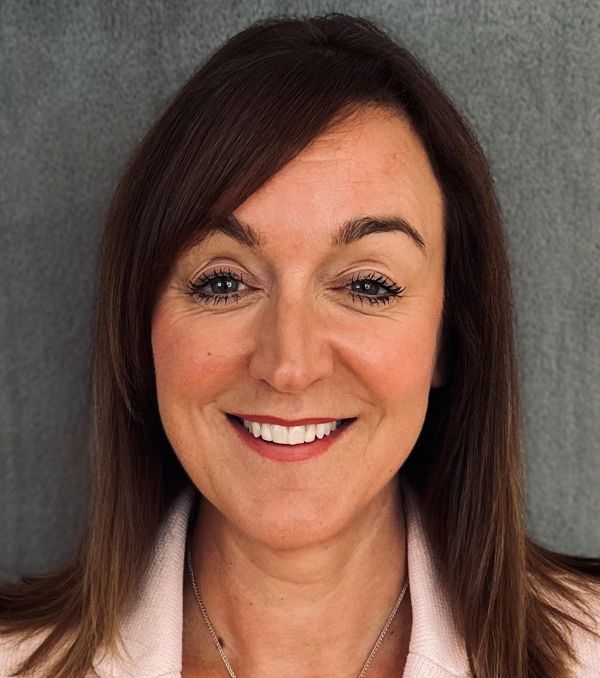
Faye Dack
Country Manager, Ferrer UK
Pharma companies can address unmet needs among people with rare diseases by taking a long-term, holistic and collaborative approach to this often-overlooked area of medicine.
Working in the rare disease space is uniquely challenging, admits Faye Dack, UK Country Manager at Spanish pharmaceutical company Ferrer. Patient cohorts are small, clinical trials can be difficult and drug approvals can be slow. However, when breakthroughs do occur, it’s also incredibly rewarding. “When we see how even incremental medical advances can profoundly affect a person’s life, it’s very fulfilling and hugely motivating,” says Dack. “Health is a human right… And yet people living with rare diseases still face high unmet needs. Equitability to medicine is a problem. We want to address this social injustice by focusing our efforts in places where we can have the greatest positive impact.”
The company’s main therapeutic areas of focus are pulmonary vascular and interstitial lung diseases and rare neurological diseases. “These conditions are severe, but are low-prevalence, so they’re often overlooked,” says Dack. “We have experience in these diseases, so we felt they were areas where we could make meaningful contributions. There’s lots of scientific activity happening, and while it’s too early to conclude therapeutic outcomes, the direction of research is very encouraging.”
Working together is critical in rare diseases
For optimum results, Dack notes that it’s important for pharma companies to take a long-term and ‘holistic approach’ to rare diseases. “Holistic means looking beyond medicine or a single intervention and understanding the whole patient experience across the entire healthcare system,” says Dack. “It’s then possible to identify where their journey can be improved, from diagnosis all the way through to daily living.” This can’t be done in a vacuum, so it involves working closely with everyone from patient groups and clinicians to caregivers, specialist centres, academics, regulators, politicians and other pharma companies. “Collaboration is critical,” she insists. “No one organisation can address rare disease challenges alone.”
Going forward, Dack stresses the importance of ongoing research efforts for UK patients with Huntington’s disease, amyotrophic lateral sclerosis (ALS) and progressive supranuclear palsy (PSP). “These are devastating neurodegenerative illnesses for patients and their families,” she says. “We need further scientific investigation that supports the independence of people with these conditions, along with therapeutics that stop or modify the underlying causes of their diseases. And, crucially, when these advances do come through, we must ensure there’s equitable access so all patients can benefit from them.”
Advertisement feature paid for by Ferrer ferrer for good
This article does not discuss, promote or refer to any specific medicinal products. References to research areas relate to ongoing scientific and clinical research. No conclusions on safety or effectiveness can be drawn and no medicines are authorised by Ferrer in the UK.