
Rhiannon Lambert
Registered Nutritionist, Founder of Rhitrition and Rhitrition+, and Three-Time Sunday Times Bestselling Author
Rhiannon Lambert is a leading UK nutritionist, bestselling author and founder of the Rhitrition Clinic. Her latest book, The Fibre Formula, explores how optimising gut health and fibre intake can alleviate common health conditions.
Could you introduce your work at Rhitrition?
I’m a Registered Nutritionist, founder of Rhitrition and Rhitrition+ and a three-time Sunday Times bestselling author. My mission is to make evidence-based nutrition accessible and practical.
Why is a personalised approach better than diet trends?
Social media pushes quick fixes like “Fibre-Maxxing,” but the true causes of bowel symptoms are varied. It’s better to follow a personalised, science-backed approach to identify unique triggers, history and lifestyle to create strategies for each individual.
What foods, drinks or hidden ingredients trigger bowel irritation and bloating?
Common culprits include excess alcohol, caffeine, fatty or fried foods and FODMAPs, found in onions, garlic and some fruits.
Also, watch out for sugar alcohols like sorbitol, xylitol and maltitol, frequently found in sugar-free products, which can cause bloating, wind or diarrhoea. But always remember: what triggers symptoms for one person may be well tolerated by another.
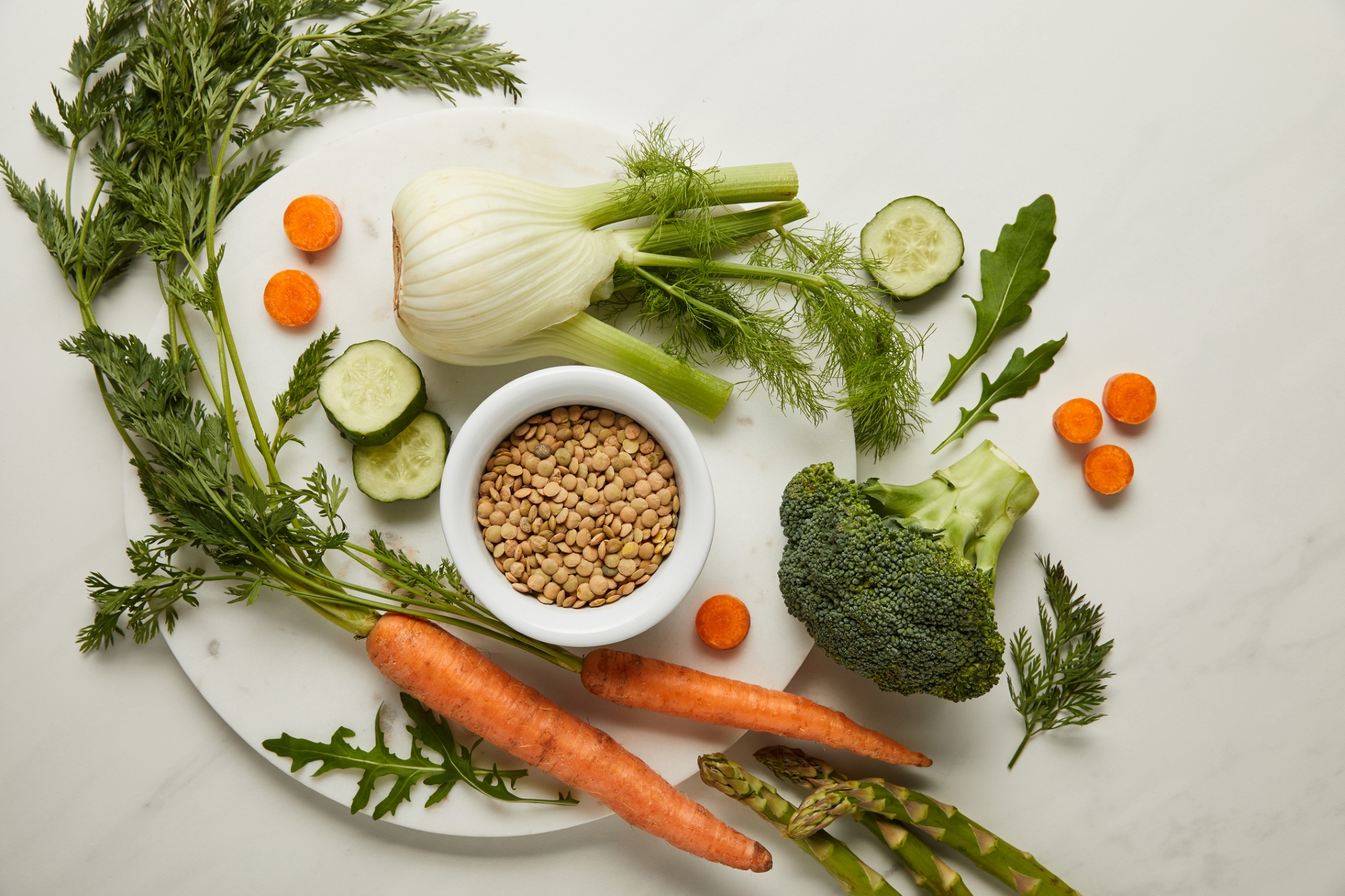
Establishing regular meal patterns, staying hydrated and gradually increasing fibre intake from plant foods can support bowel regularity and help nourish the gut microbiome
What’s the simplest dietary change someone with chronic bowel discomfort can make?
Establishing regular meal patterns, staying hydrated and gradually increasing fibre intake from plant foods can support bowel regularity and help nourish the gut microbiome.
One-to-one clinic support isn’t accessible to everyone, which is why I created Rhitrition+. Here, people can access evidence-based nutrition information, join live Q&A sessions and ask questions.
How does stress trigger sudden bowel urgency, and what can help calm this response?
The gut and brain are constantly communicating via the gut-brain axis. Under stress, hormones like cortisol can rapidly alter gut motility and sensitivity, triggering sudden bowel urgency, discomfort or diarrhoea within minutes. Over time, chronic stress can even alter your gut microbiome and contribute to long-term conditions like IBS.
Prioritise a diverse, fibre-rich diet filled with various plant foods and eat regular meals. This supports a resilient microbiome that produces short-chain fatty acids (SCFAs), which play a crucial role in gut-brain communication. Alongside nutrition, managing sleep, movement and stress remain essential pillars for a calmer digestive system.