
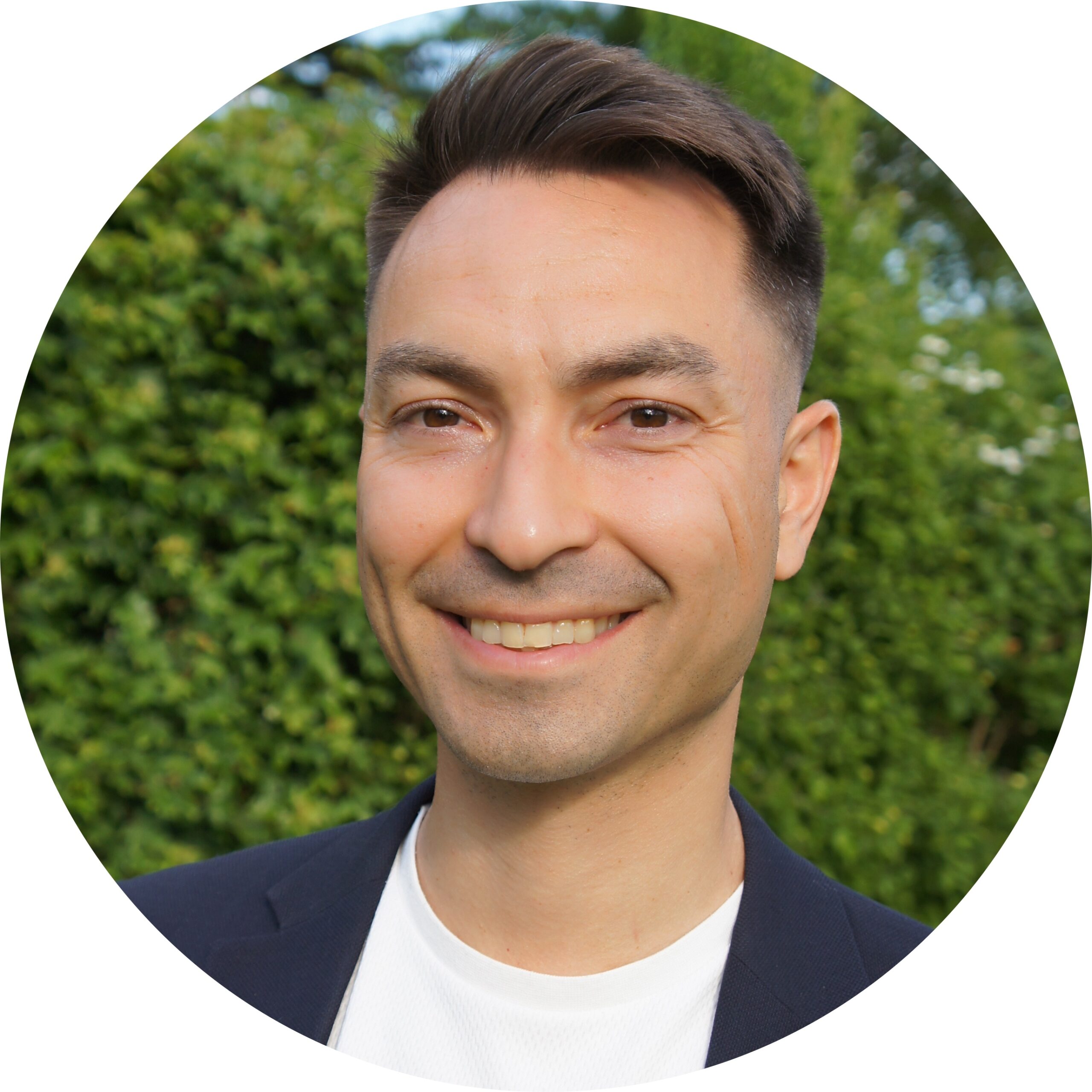
Dr Faris Al-Ramadani
GP Partner, St Wulfstan Surgery
Dr Faris Al-Ramadani speaks on the importance of integrating AI into primary care following a four-month pilot of innovative medical scribe technology.
What is your role, and how did you come to be involved with scribe technology?
I’m a GP partner at St Wulfstan Surgery. We were keen to explore how AI could help tackle the administrative burden GPs face daily, so we ran a four-month pilot of Tandem’s AI medical scribe. It gave us a chance to see what difference this kind of technology could make in real-world clinical practice.
What does the day-to-day administrative workload look like for GPs?
Heavy. Without this technology, admin can account for 25–35% of a GP’s daily workload. That includes writing up notes, preparing referral letters and following up on documentation. It often eats into the time spent with patients, and it can feel like a real weight on top of the clinical workload.
How has using a medical scribe tool changed your consultations?
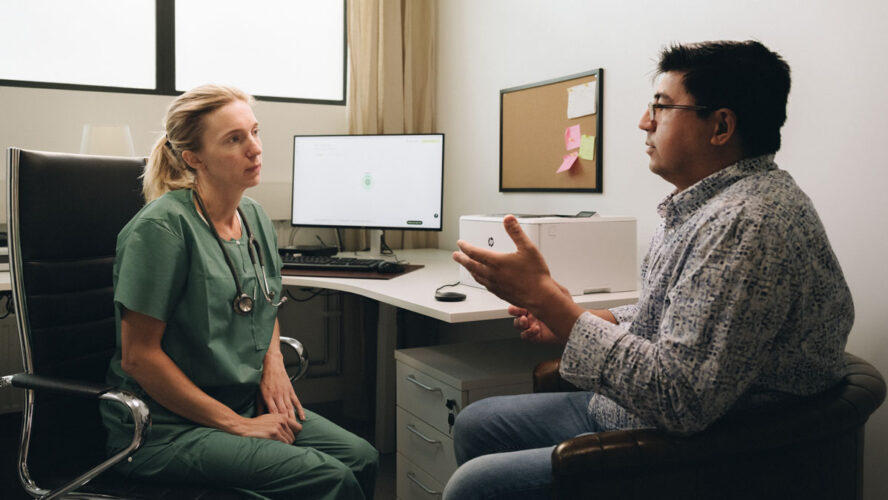
It’s been a positive shift. During consultations, I can give patients my full attention; this means maintaining eye contact, picking up on verbal and non-verbal cues and engaging at a deeper level. Instead of splitting my focus between listening and typing, I can concentrate on what the patient is saying, empathise with them and provide a more coherent consultation.
On the admin side, I’m no longer spending valuable time typing, refining and re-modifying notes. The AI generates accurate documentation in the background, and I can quickly switch a consultation summary into a referral letter. That speeds everything up and frees up time for what really matters: caring for patients, and even allowing more time to look after ourselves.
During consultations, I can give patients my
full attention; this means maintaining eye
contact, picking up on verbal and non-verbal
cues and engaging at a deeper level.
How have patients and colleagues responded?
Patients have been very supportive, and frequently reported that their GP seems more engaged, less stressed and better able to explain ongoing care plans. Many patients have been more than happy to give permission for the technology to be used during their consultation because they could see it was helping the process, not hindering it.
Colleagues have also responded positively. GPs find that it saves time when writing notes and referral letters. It has significantly reduced the sense of being bogged down by paperwork. Of course, as with any new technology, there’s always a learning curve, but overall, feedback has been positive.
What do you see as the biggest opportunities and risks with AI in healthcare?
It’s about future-proofing the quality of patient care. Digital innovation is part of our strategy at St Wulfstan Surgery, and an AI medical scribe really benefits everyone. Patients get a GP who is more engaged and able to spend more time focusing on their needs. Clinicians get accurate notes and letters generated automatically, which saves time and relieves pressure. That helps us return to what we were trained to do: delivering high-quality patient care.
The challenge is ensuring that AI is implemented in a way that’s safe, reliable and trusted by both clinicians and patients, which is why running these pilots is so important. Tandem offers a relatively simple technology; it’s a small change, but it makes a huge difference to how primary care is delivered.
What are your hopes for how technology will shape the NHS in the next five to 10 years?
I hope technology can take away burdensome tasks from clinicians and staff. Technology has the potential to transform the patient experience, not just within primary care, but in how people access and navigate the NHS.
With the right tools, we can create more capacity, time and human connection. Something like an AI scribe feels like a no-brainer to me; it’s simple, effective, and it allows clinicians to focus on what matters, which is the patient in front of them.