
Dr Wendy Holden
Medical Advisor Arthritis Action and Honorary Consultant Rheumatologist
Once seen as an unavoidable part of ageing, osteoarthritis is now becoming more prevalent in younger age groups and a wider societal issue,1 with its impact felt across individuals, work and NHS services.
More than 200,000 hip and knee replacements are performed in the UK every year, with numbers rising due to obesity and an ageing population.2 However, more is now understood about the condition and its treatment, including self management options recommended by Arthritis Action.
Beyond ‘wear and tear’
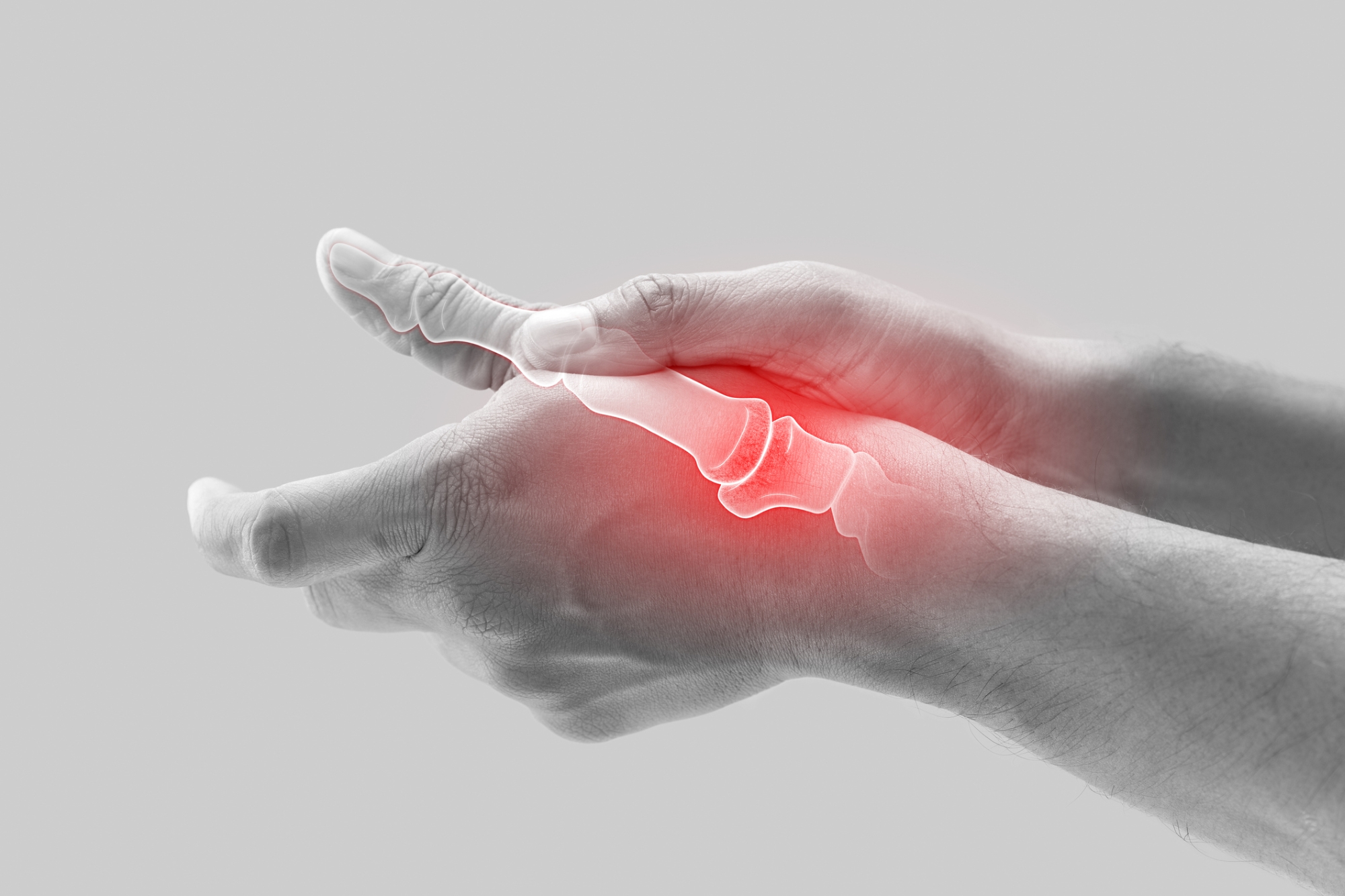
Osteoarthritis is the most common form of arthritis, affecting joints in the hands, knees, hips, spine and more. Symptoms vary, from stiffness and swelling to severe pain that limits movement. Muscle weakness around affected joints can also add to instability.
For decades, osteoarthritis was described as “wear and tear,” implying that joints simply erode over time. But research now paints a more nuanced picture. Inside the joint, the body is constantly attempting repair; this inflammatory process can lead to new bone formation, contributing to pain and stiffness. No single cause explains osteoarthritis. Genetics play a role, as can previous trauma such as fractures or sports injuries. Excess body weight increases strain on weight-bearing joints; every extra pound adds four to five pounds of pressure through the knees and hips.
Muscle weakness around affected joints can also add to instability
What helps most
Although osteoarthritis can’t be prevented, many strategies can reduce symptoms and improve mobility. Maintaining a healthy weight can ease pressure on joints. Resistance exercise supports joint structures, while aerobic activity and stretching improve flexibility, posture and wellbeing. A balanced diet supports bone and muscle health, while stress reduction and better sleep can make pain easier to manage. Painkillers and anti-inflammatory medicines (NSAIDs) aren’t considered safe or effective for long term pain management, in line with NICE guidance on chronic pain.
Physical therapies, including physiotherapy and osteopathy, offer hands-on treatment. Joint injections and surgery may benefit some people and are among the main treatment options offered through the NHS. Self-management sits at the heart of living well with osteoarthritis. Understanding the condition, staying active and making small, sustainable lifestyle changes can help people regain confidence, reduce pain and maintain independence.
[1] He, Y., Jiang, W. & Wang, W. (2024). Global burden of osteoarthritis in adults aged 30 to 44 years, 1990 to 2019: results from the Global Burden of Disease Study 2019. https://tinyurl.com/yc68a2vx.
[2] NJR. (2025). NJR annual report 2025. https://tinyurl.com/w3894cyy.