

Rok Hrženjak
Director of Animal Health, Krka
Grounded in a ‘One Health’ approach, one of the leading generic pharmaceutical companies is committed to producing antiparasitic and other products for animals, to enhance compliance with vital antiparasitic treatments.
As human health is closely connected to the health of animals, animal health is central to the ‘One Health’ concept, which is driving innovation in disease protection beyond traditional generic medicines.
‘One Health’ and parasitic control
One Health is a collaborative approach, which recognises the deep connections between people, animals, plants and our shared environment. While this concept isn’t new, it’s become even more important in recent years, with emerging infectious diseases like COVID-19 originating from animals.
Achieving this vision, however, requires addressing real-world challenges, including inconsistent parasite control among pet owners. Studies from Germany and Croatia show that many owners don’t administer antiparasitic treatments regularly or correctly despite veterinary recommendations. This compliance gap can lead to increased parasite transmission, zoonotic risks and environmental contamination, undermining both animal welfare and public health.
Innovation improves compliance
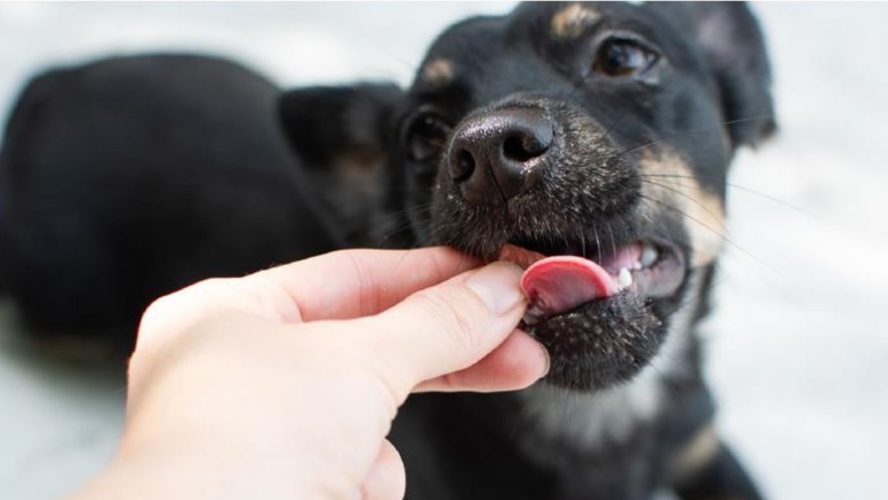
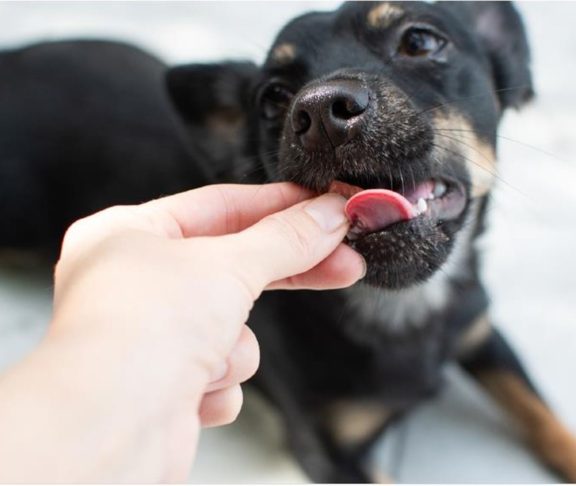
Innovative formulations are becoming integral to the response to non-compliance, namely, easy-to-use, animal-friendly solutions that make caring for animals easier. Krka, has developed a range of antiparasitics and other products for animals, showcasing highly palatable chewable tablets, spot-on formulations, oral suspensions and injectable solutions.
“We’re truly proud to have developed spot-on solutions and chewable tablets recognised with ‘Easy to Give’ certification,” highlights Rok Hrženjak, Director of Animal Health. “These products make compliance and care easy for pet-owners, while maintaining full protection and clinical efficacy for animals.”
“Our oral solutions and water-soluble powders are designed to be stress-free for animals, with simple once-daily dosing,” he adds. Krka’s leading veterinary antiparasitic in tasty chewable tablet form remains the only dewormer in its category with scientifically proven palatability for dogs based on EMA testing guidelines, referenced in the SmPC.
One of the leading generic pharmaceutical companies
Once a small laboratory of nine pioneers in 1954, Krka is now one of the world’s leading generic pharmaceutical companies. Today, they remain committed to advancing animal health, following global trends and setting high standards in veterinary care guided by the principles of quality, efficacy and safety.
“Our portfolio is made up of around 83% prescription medicines, complemented by over-the-counter products and a strong animal health portfolio, allowing us to remain uniquely diversified,” explains Hrženjak. “It’s rare to find a company with both human and animal health expertise — that dual focus gives us a tremendous advantage in terms of our resources, infrastructure and capabilities.”
Studies from Germany and Croatia show that many owners don’t administer antiparasitic treatments regularly or correctly
Advanced manufacturing, research and sustainability
Krka, which has been expanding operations for over seven decades, boasts next-generation laboratories following significant investment across its European manufacturing base.
Krka’s innovations are designed with user needs and requirements in mind — facilitating therapy, improving patient adherence and optimising treatment outcomes. They develop and manufacture advanced pharmaceutical forms, including 15 different ones for 15 different animal species. Additionally, Krka also prioritises sustainability in areas like product quality and patient safety.
Environmental health aligns closely with the ‘One Health’ concept, which is why Krka has placed sustainability as a core value. The company believes that we are truly successful in life only when our success has a positive impact on others as well. That is why Krka’s actions are focused on animal and patient care, employees and the broader society. They invest in various initiatives in healthcare, science, education, sports and culture. These initiatives are guided by their goals of helping people and animals worldwide live a healthy life.