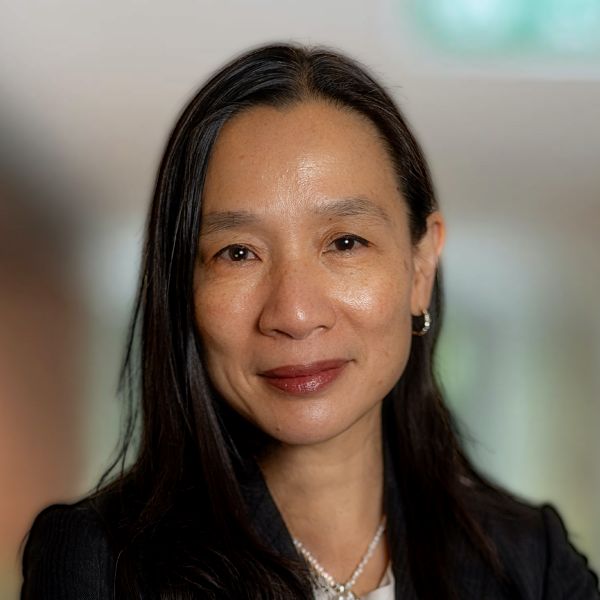
Charlene Son Rigby
CEO
Something remarkable is happening in rare disease research. It’s not coming from big pharmaceutical companies or research universities — it’s being led by families fighting to save their children’s lives.
What started as a handful of desperate parents pooling their savings and organising fundraisers has grown into a powerful movement changing how treatments get developed.
Rare disease patient advocates are stepping up
When pharmaceutical companies decide a disease affects too few to be worth their investment, families step up — hiring scientists, organising research studies and even starting companies to develop treatments.
Terry Pirovolakis started a biotech company to complete the development of a gene therapy for SPG50, the rare disease his son has. Amber Freed worked with Nationwide Children’s to develop a gene therapy for SLC6A1 for her son and has started a biotech company to expand to other SLC6A1 patients.
My own journey began when my daughter was diagnosed with STXBP1, and we’ve built a diversified therapy pipeline with our research network.
Parents shouldn’t need to become scientific experts or navigate complex drug development processes. But they do it anyway because waiting isn’t an option. The drive is deeply personal — especially for parents who’ve looked their children in the eye and promised to find help.
New possibilities are emerging as gene therapies show real promise for treating genetic
conditions, and as genetic testing helps identify more previously undiagnosed patients.
A highly connected and organised patient community
Patient groups now build tools that researchers and companies need: tracking how diseases progress over time, helping design studies for small patient populations and creating platforms for sharing data and knowledge. They’ve expanded from support and education to also providing resources and funding that move research forward.
New possibilities are emerging as gene therapies show real promise for treating genetic conditions, and as genetic testing helps identify more previously undiagnosed patients. Scientists are also learning to develop treatments to help groups of related conditions rather than each disease separately, making collaboration between patient communities more powerful than ever.
This movement is growing stronger every day, and it’s bringing together patients, families, researchers, doctors and companies in new ways. Together, we’re proving that even the smallest patient communities deserve hope — and that hope is leading to real progress.