
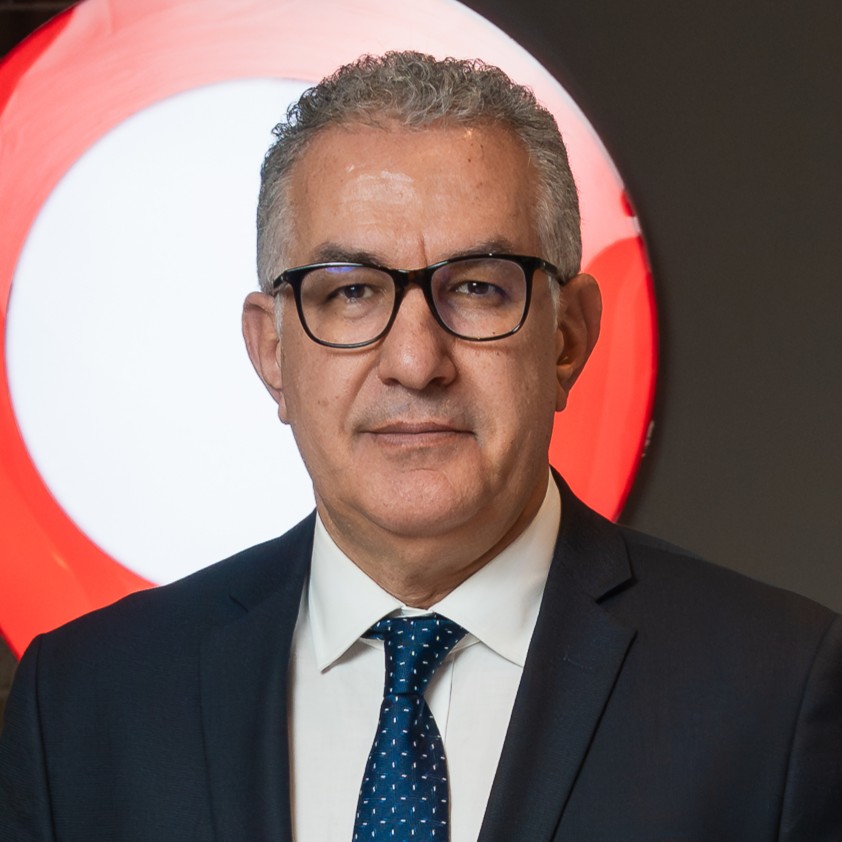
Professor Dr Azis Sumer
General Surgeon, Acıbadem Healthcare Group
Is medication or surgery more effective for weight loss? Professor Dr Azis Sumer clarifies the myths and medical realities of both treatments.
At Acıbadem Healthcare Group, multidisciplinary teams including bariatric surgeons, endocrinologists, dietitians and psychologists create personalised treatment plans for patients with obesity and metabolic diseases. Each patient is evaluated to determine whether medical treatment, lifestyle interventions or bariatric surgery would provide the most effective long-term outcome.
Which patients make good candidates for weight-loss injections?

Before making treatment recommendations, a clinician will calculate the patient’s body mass index (BMI). There are three classes of obesity. Class 1 is defined as a BMI of 30 to 34.9; Class 2 is defined as a BMI of 35 to 39.9; and Class 3 is defined as a BMI of 40 or greater.
Class 3 patients are classified as ‘morbidly obese’ — a disease, not an aesthetic issue — and should be treated as such. According to some endocrinologists and bariatric surgeons, weight-loss injections are suitable for type 2 diabetes patients with a BMI between 27 and 35.
How has social media contributed to the popularity of weight-loss injections?
Weight loss drug Wegovy became viral on social media. People who couldnt get Wegovy turned to Ozempic, a diabetes drug, risking supply for diabetes patients.
When people see celebrities and influencers being open about using these medications, it’s no surprise that the rate of weight-loss injections is rapidly rising. However, these treatments require medical supervision and should only be prescribed by specialists like endocrinologists and bariatric surgeons.
The concern is about using these medications to deal with an aesthetic problem rather than a health issue, and doing so without seeking proper medical advice.
What are the benefits of weight-loss injections?
Scientific studies show that the average weight loss achieved with injections is between 5% and 25% of body weight. We also know that these medications control blood sugar, lower blood pressure and cholesterol and reduce the risk of heart disease in some patients. They can also reduce the risk of fatty liver disease, which is associated with obesity and type 2 diabetes.
What is bariatric surgery, and when is it recommended?
Bariatric surgery is divided into three classes: sleeve gastrectomy (removes part of the stomach), gastric bypass (creates a small stomach pouch to control food intake) and mini gastric bypass (reduces stomach size and part of the intestine). Specialists will discuss options and recommend the most suitable surgery based on BMI, presence of obesity-related disease, age, overall health, eating habits and social and cultural preferences.
There’s no ‘one-size-fits-all’ surgery, and not every obese patient needs it. It’s only generally recommended for patients who have a BMI greater than 40; or for patients with obesity-related diseases such as type 2 diabetes, hypertension, fatty liver disease or bone and joint problems with a BMI greater than 35.
There’s no ‘one-size-fits-all’ surgery, and not every obese patient needs it
What are the benefits of bariatric surgery?
It can result in a loss of up to 40% to 45% of body weight and improve the chance of type 2 diabetes remission. It can also improve high blood pressure and reduce cancer risk. Unlike injections, surgery can result in long-term weight loss. In fact, 75% of patients won’t regain weight after surgery.
What are the misconceptions with bariatric surgery?
Some people believe bariatric surgery is dangerous. But with today’s laparoscopic and robotic techniques, the risk is very low and similar to other common abdominal surgeries.
What’s your advice to patients considering bariatric surgery?
If they’re looking to have bariatric surgery abroad, choose a well-established, accredited, modern hospital with qualified surgeons, and ensure they have the correct insurance in place. Many international patients choose accredited centres such as Acıbadem Healthcare Group for bariatric procedures due to advanced surgical technologies, experienced specialists and structured post-operative follow-up programmes.

There’s no gold standard, 100% effective treatment for weight loss. Patients must change their lifestyles and eating habits. If they don’t, they’ll regain weight sooner or later.
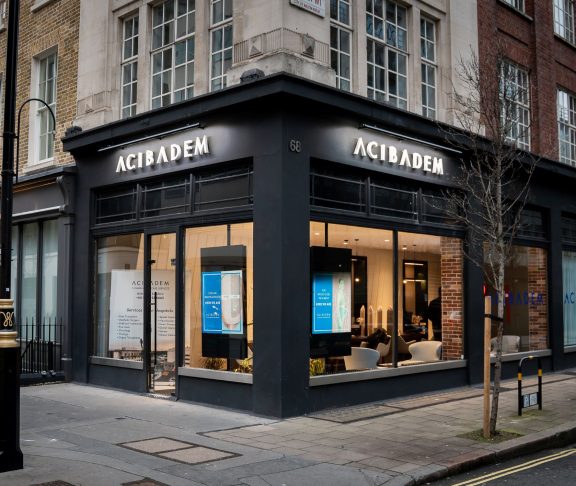
Patients in the UK who would like to explore weight-management treatment options can consult with Acıbadem specialists through the Acıbadem London Office, where personalised treatment planning and medical guidance are provided.
ACIBADEM CONTACT FORM
68 Great Portland St, London W1W 7NG
+44 7767 155911