
Georgia Sewel
Digital Communications Officer
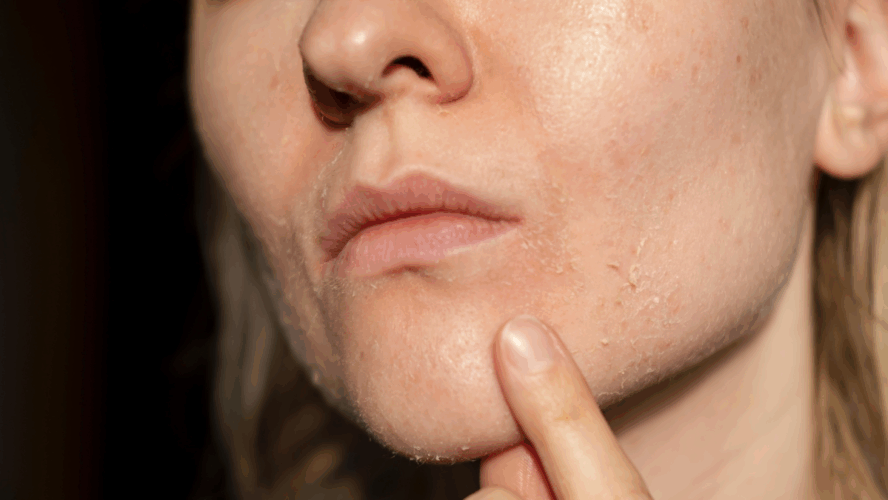
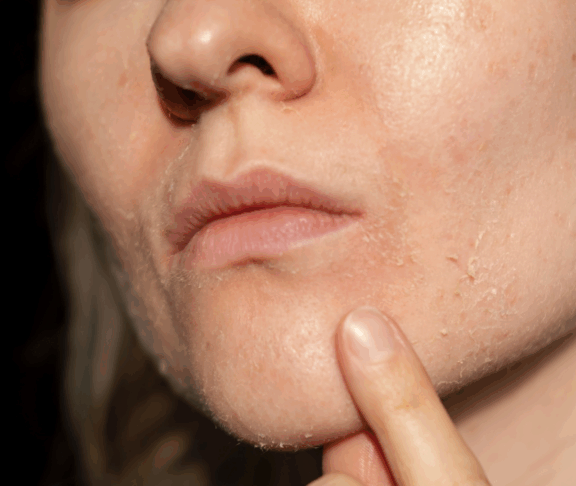
For many people living with psoriasis, the colder air and lack of sunlight during wintertime can result in a change in symptoms, such as drier skin and irritation.
No one should feel like they must struggle through the winter months. There are ways to help manage your psoriasis.
Lock in winter hydration
Staying hydrated is key; drinking plenty of water is just as important in the winter as it is in the summer. Switching your everyday lotion to a thicker emollient or ointment can help to lock in that moisture in the skin for longer. Avoid using scented products that may irritate the skin.
In addition to changing your lotion, it may be helpful to replace your shower gel or soap with an emollient wash, as these are typically more moisturising and fragrance-free. It also helps to shower in warm, rather than hot, water to help prevent excessive dryness.
Wear the right clothes and pyjamas for winter
Try to opt for soft materials such as cotton or silk. If you would like to wear a jumper, consider wearing a layer underneath to protect your skin from irritation.
The drying effects of central heating can be unpleasant for psoriasis, so it may help to have a humidifier while you sleep to add moisture back into the air. Placing a bowl of water near radiators can help with this, too.
The drying effects of central heating can be unpleasant for psoriasis
Finding treatment, triggers and protection
If you are struggling with your psoriasis during winter, speak to your GP or dermatologist about changing your treatment plan to help manage your psoriasis. This could include changing the dose of your medication or moving you on to a stronger treatment for a while.
The festive period can be a busy time that disrupts your usual routine, which may lead to a flare-up. To help, consider setting an alarm as a reminder to apply or take your treatment, and stay mindful of potential triggers such as alcohol or certain foods.
Finally, we urge anyone who is on immunosuppressant medication for their psoriasis to have their flu jab and Covid-19 vaccination to protect against any other illnesses over the winter months.