
Dr Alison Wright
President of the Royal College of Obstetricians and Gynaecologists
As we look forward to the renewed Women’s Health Strategy, the Government has a crucial opportunity to make a lasting difference to women’s health — to address gynaecology waiting lists.
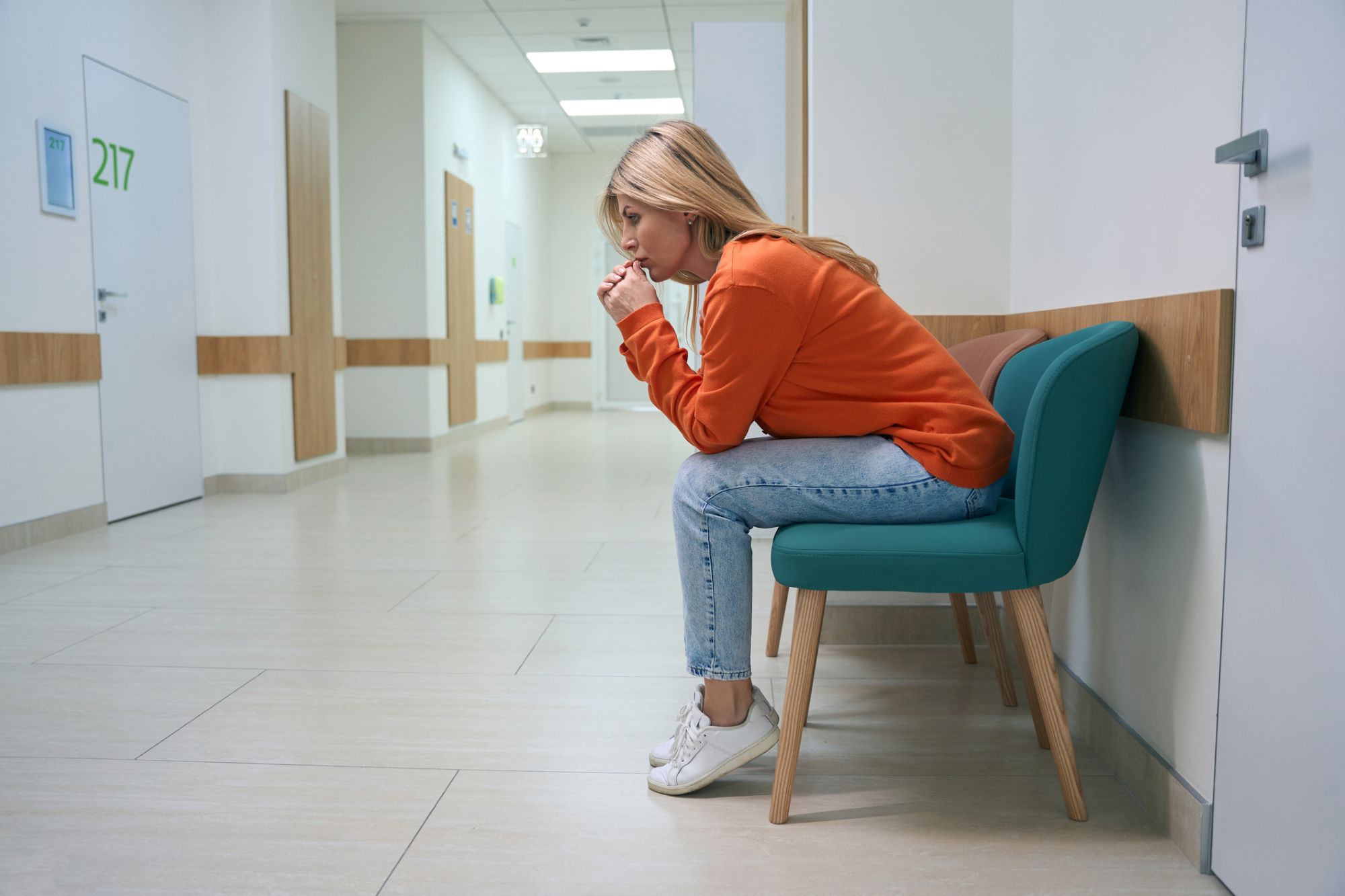
At the Royal College of Obstetricians and Gynaecologists, we hear daily from women whose lives are ‘on hold’, and their suffering gets worse, while they wait for care.
Nearly 750,000 women are currently waiting for gynaecology care, which is completely unacceptable.
Women’s lives on hold
Behind these statistics are individual women, living with debilitating conditions, such as endometriosis, fibroids, ovarian cysts, heavy menstrual bleeding, pelvic pain and prolapse.
These are not minor or niche problems. They cause pain, fatigue, anaemia, fertility issues, and often have profound impacts on mental health and women’s ability to work and function.
Why reducing waiting lists benefits the whole system
Long waits for gynaecology care do not exist in isolation. Delays cause conditions to worsen, often leading to more complex treatment later, with increasing pressure on GPs, emergency departments and hospital services.
Gynaecology now has one of the largest waiting lists of any elective specialty — and it is the only one that affects women alone.
Inequalities that deepen with delays
Women living in the most deprived areas are far more likely to wait over a year for care than those in the least deprived communities.
Women from Black and Asian ethnic groups are also overrepresented on lists, reflecting persistent inequalities in access, diagnosis and treatment that demand urgent action. Addressing waiting lists offers a clear route to narrowing these inequalities.
The renewed Women’s Health Strategy — an opportunity
Gynaecology now has one of the largest waiting lists of any elective specialty — and it is the only one that affects women alone.
If the renewed Women’s Health Strategy is to deliver real change, it must put gynaecology front and centre.
This means urgent support for women waiting now, sustained investment in the workforce, estates, operating theatres and equipment, and protecting initiatives such as Women’s Health Hubs, that bring gynaecology care closer to women.
Improving women’s health is achievable. It is time for gynaecology and women’s health to be given the priority it deserves.