Health Awareness
Davina McCall
MBE
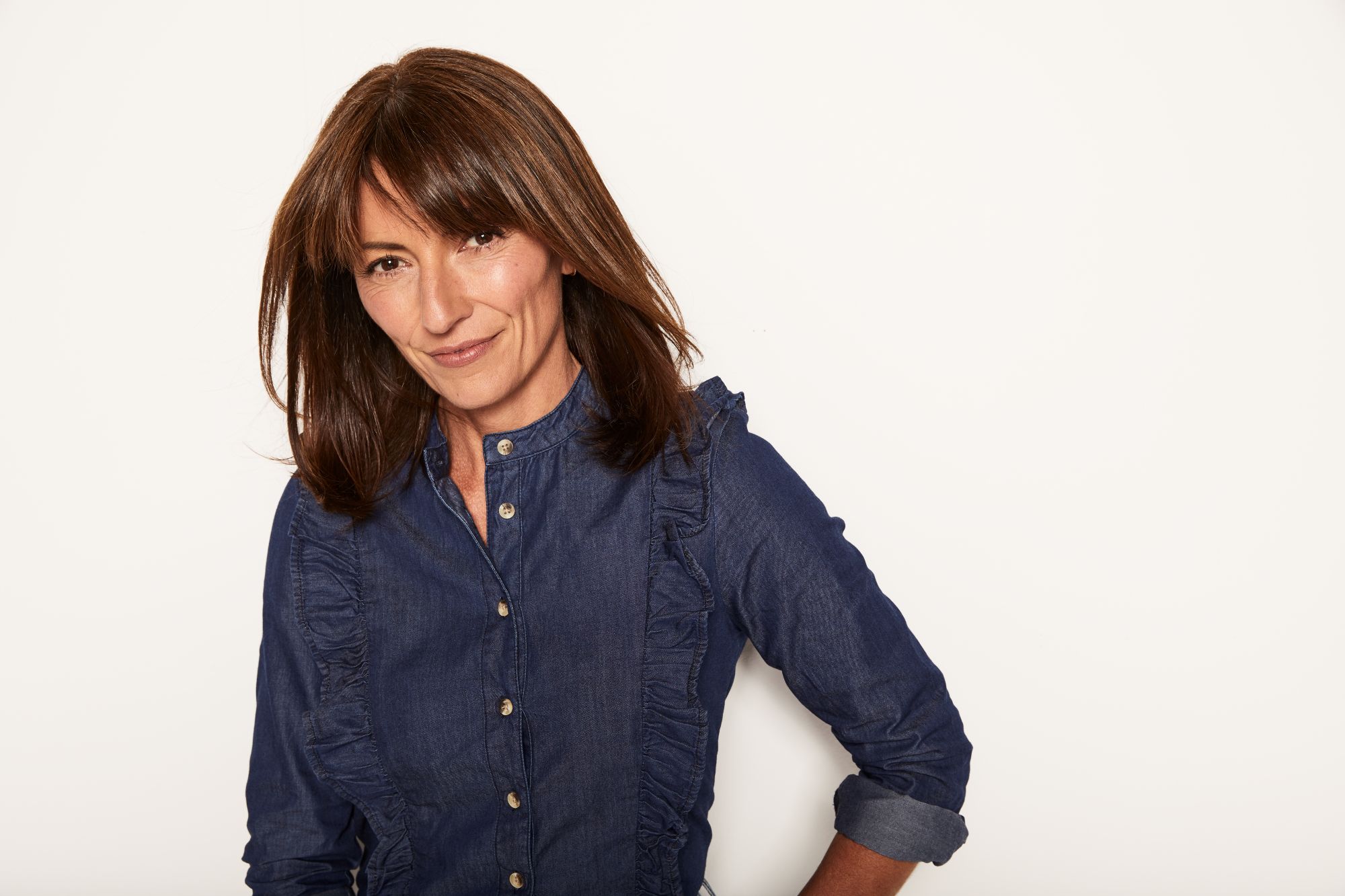
Davina McCall struggled with perimenopausal symptoms. She urges women to learn more about how this time of their life could affect them, and not suffer in silence.
You were 43 when perimenopause started. Did you recognise the symptoms?
No. But it got to the point where, on live TV, I couldn’t remember Laurence Llewelyn-Bowen’s name — and I’d only said it five minutes before. Afterwards, the producer asked: ‘Are you OK?’ I sat in the dressing room and cried. I thought: ‘I’m not OK. I can’t work.’ Then I started getting sweats. Night sweats were particularly bad, so I wasn’t sleeping, which made everything worse. I had a very short fuse. I went to see a gynaecologist — a man, I’d like to point out — who said: ‘You’re perimenopausal.’ I’d never been so relieved because I thought I was going mad.
What was your experience of hormone replacement therapy (HRT)?
Like a weight lifting — it wasn’t as though my memory suddenly got better, but I felt more like me again. I didn’t tell anyone I was taking it because I’d spent my life avoiding (tablets), I didn’t drink alcohol and I was the exercise queen. Somehow, taking HRT felt like I was ‘failing.’
Learn as much about it and your body from people who know what they’re talking about — and do what’s right for you.
How important is male allyship during this time?
When your body is evolving, you can be scared that it might change the way your partner feels about you. But if they try to understand what you’re going through, the love you feel for that person is so great, and leads to a more open relationship.
What’s your advice for anyone struggling with perimenopause/menopause?
Learn as much about it and your body from people who know what they’re talking about — and do what’s right for you. We’re all radically different. I implore anyone reading this who sailed through perimenopause/menopause to please be compassionate to those who are struggling. We must stand by and support each other because some women can feel suicidal.
Why has there been a reluctance to talk about the menopause?
Women thought it was an embarrassing, shameful time. For me, it symbolised getting older — and might mean I wouldn’t be able to do TV anymore or wear clothes I used to wear. But actually, this has turned out to be the most liberating, most brilliant era of my life. I never heard that from anyone!I’m talking to you now, and I’m not embarrassed or ashamed. I’m proud. We’re owning it, and there’s something rather wonderful about that.