
Sara Nelson
Programme Director, DigitalHealth.London and Health Innovation Network South London
2026 marks ten years since ‘FemTech’ was penned by Ida Tin, founder of period-tracking app Clue. Since then, the sector has gained momentum, with UK-founded women’s health innovation accounting for over $1.5 billion of the global market in 2024.1
With the Government committing to invest heavily in research and innovation, digital health is set to bring real impacts.
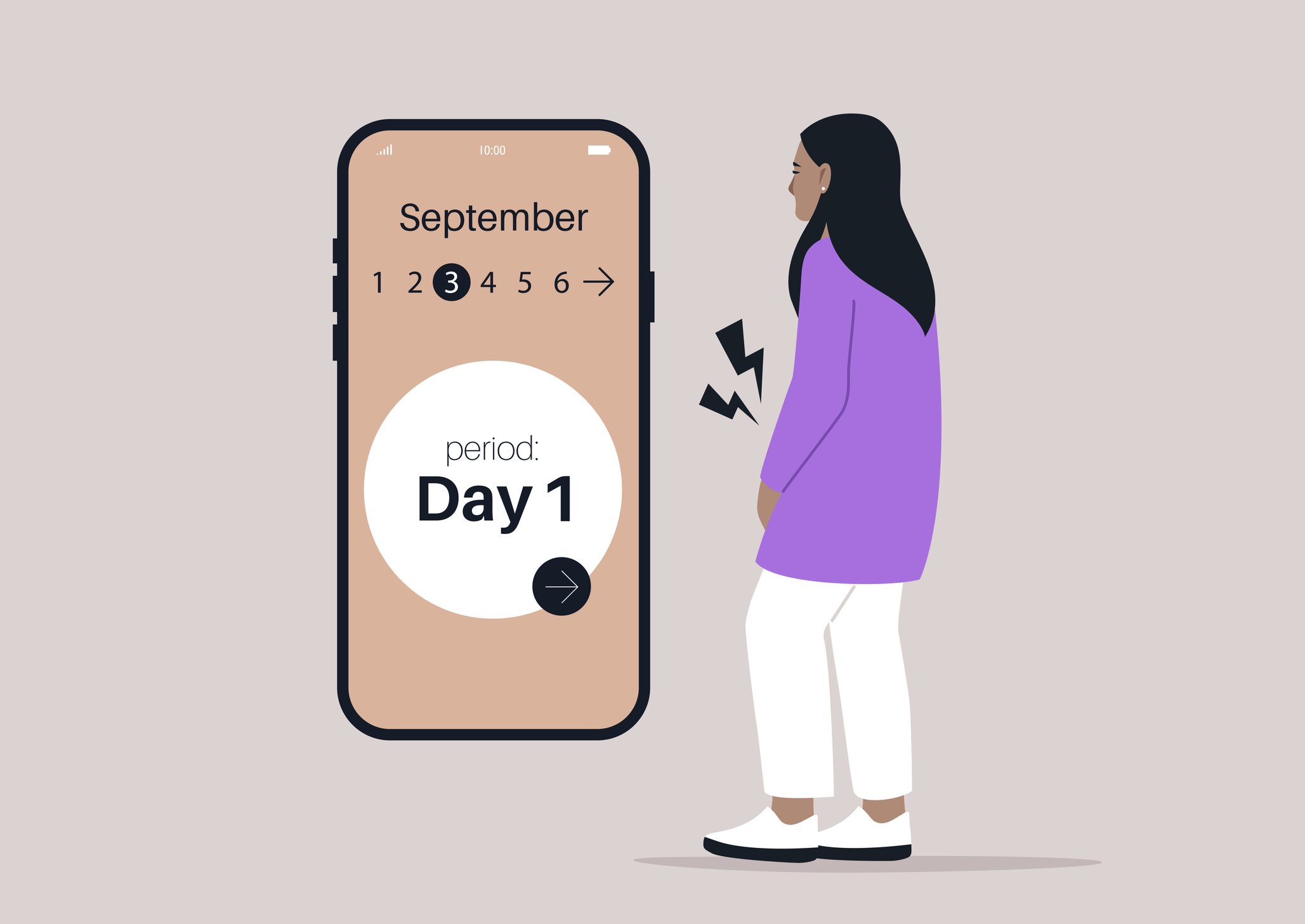
Fundamental challenges must be addressed to ensure FemTech is a help, rather than a hindrance.For example, menstrual cycle tracking apps provide women with autonomy to monitor their cycles, understand symptoms and connect with support communities.
Major data protection concerns have triggered impact-driven innovations around privacy. This includes subscription-free period app, 28X, which stores data on the user’s device.
Patient voice and inequity
National reviews and policy, such as the National Maternity and Neonatal Investigation (expected June 2026) and the Renewed Women’s Health Strategy for England, emphasise the importance of listening to and collaborating with women.
Founders supported by the Health Innovation Network South London have created FemTech solutions based on personal experiences or informed by others’ lived experiences.
Maternity training platform Upskill.Health partners with local women to bring their stories into hospitals through virtual reality (VR), while apps from The Motherhood Group and Taahirah respond to inequitable care, bringing resources and support to underserved populations.
As England’s health services shift from analogue to digital,
FemTech must be embedded through hybrid care pathways that offer choice to women
Digital inclusion and access
It’s estimated that up to 22% more women are likely to experience digital poverty, compared to men.2 This means that FemTech remains out of reach for many people without devices or wifi access.
As England’s health services shift from analogue to digital, FemTech must be embedded through hybrid care pathways that offer choice to women. Pelvic health platforms like Squeezy and getUbetter already show how digital technology can complement traditional clinical services, enabling timely diagnosis, informed decision-making and better outcomes.
FemTech must continue to prioritise trust, inclusivity and equitable access. By embedding these foundations, digital technology will improve the lives of women while ensuring sustained investment follows.
[1] Women’s Tabloid. (2025). The rise of the UK’s Femtech market and emerging trends. https://tinyurl.com/yzfuzsza.
[2] Good Things Foundation. Our Digital Nation. https://tinyurl.com/3syhy6j3.