Janet Lindsay
Chief Executive at Wellbeing of Women
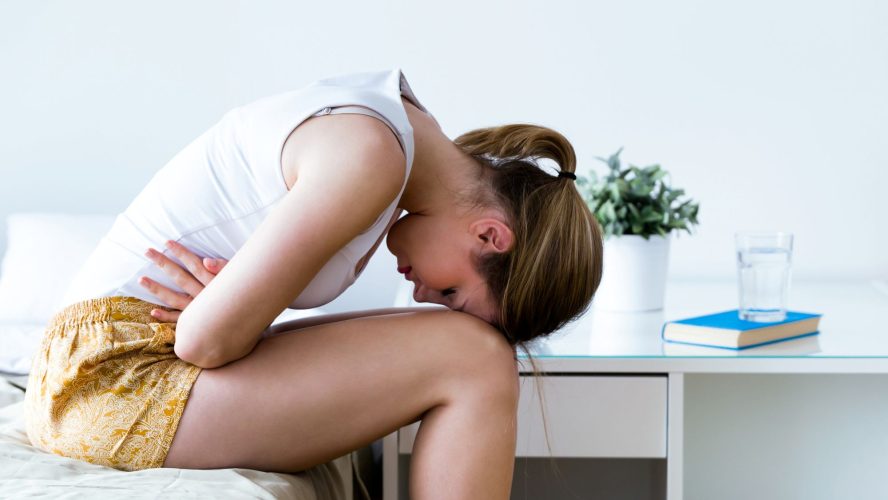
Imagine missing school every month because of pain so severe you can’t get out of bed, sitting exams while battling nausea and cramps or cancelling plans because you’re terrified of bleeding through your clothes.
For many girls, this is a reality, but instead of being acknowledged, it’s brushed off as “just a period.”
How menstrual health stigma is holding back girls
While schools cover the basics about periods, many teachers lack the knowledge and resources to explain what symptoms like heavy bleeding or severe pain might indicate or how hormonal changes can affect mood, having not learned it themselves.
The lack of proper menstrual education can have life-changing effects. According to a study by the University of Bristol, girls with severe periods are 27% less likely to achieve five GCSE passes.1 And it starts with silence and a lack of support in the classroom.
Heavy bleeding and severe pain, whether associated with endometriosis, fibroids and adenomyosis, or not, can be managed with support. Sadly, many girls don’t know that they’re able to get support.
By making menstrual health a priority in schools and giving teachers the tools to teach girls and boys properly, we can end the normalisation of suffering.
Gaps in menstrual health support
A 2024 Wellbeing of Women survey found that, on average, it takes 22 months between symptoms starting and seeking medical help. That’s nearly two years of unnecessary pain, anxiety, and disruption — often followed by years waiting for diagnosis and treatment due to overstretched gynaecology services and long waiting lists.
The Government’s updated RSHE guidance, which requires schools to teach about menstrual health conditions in more detail, is a step in the right direction, but guidance alone won’t change lives. Teachers need time, resources and training to deliver meaningful menstrual health education.
By making menstrual health a priority in schools and giving teachers the tools to teach girls and boys properly, we can end the normalisation of suffering. As powerful allies in breaking taboos and creating openness, we must ensure that boys are included in this conversation.
Periods should never hold girls back. Let’s make sure they don’t.