
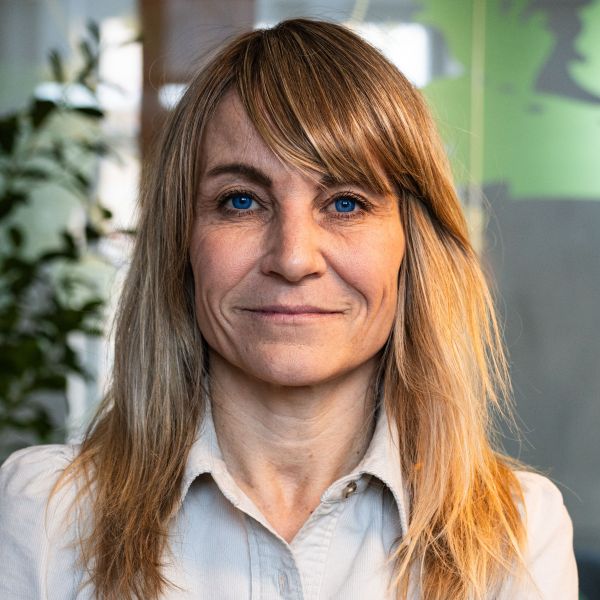
Julie Paulli Budtz
Spokesperson and VP, European Sperm Bank
Across the UK, a fertility postcode lottery still shapes who can access treatment, leaving many single women and LGBTQ+ families at a disadvantage.
In my conversations with women and couples across the UK, one theme appears again and again: access to fertility treatment remains deeply unequal. It is still influenced by your postcode, age, BMI, income or relationship status. These factors should never determine someone’s opportunity to start a family.
For many single women and LGBTQ+ couples, the hurdles are even higher. In some NHS regions, they must self-fund six to twelve rounds of IUI to prove infertility before being considered for NHS-funded IVF. Funding for IVF varies from zero to three rounds, depending on the region. This leaves many paying privately, travelling abroad or giving up on having children altogether.
Because access to fertility care should not depend on postcode, income or who you love.
Changing family forms
Family structures are more diverse than ever. Solo mothers by choice, same-sex couples, blended families and people choosing to start families later in life all deserve fair access to treatment. When access is limited or inconsistent, people feel unseen and unsupported when they need clarity and care.
Meanwhile, the UK fertility rate continues to fall, with an average of 1.4 children per woman, according to a recent report from the Institute of Fiscal Studies.1
Shaping fairer fertility policy
I believe organisations in reproductive care have a responsibility to help shape a fairer fertility landscape. In my role as Chair of the Danish Business Association for Egg and Sperm Donation, I work closely with my colleagues in the industry to do just that on a national and European level. Our aim is to create safe and responsible frameworks for everyone affected by donation.
For us at European Sperm Bank, taking responsibility starts with extensive sperm donor screening and access to comprehensive donor profiles for both parents and children. It continues with free guidance at every step, even after the child is born. It also means speaking up when access is inconsistent or unfair.
Over the past 22 years, we have helped bring 70,000 children into 60,000 families. Every day, our UK team speaks with single women, LGBTQ+ and heterosexual couples navigating complex and often unequal systems.
This experience gives us direct insight into how policy gaps affect real people, and why it deserves greater visibility and political attention.
Because access to fertility care should not depend on postcode, income or who you love.
[1] Sibieta, L. (2025). Demographic change and schools across the UK: lessons from history. IFS.
Scan for more information on fertility options.
Looking for a donor to start your treatment?