

Prof. R Thakkar
Immediate Past President, Primary Care Cardiovascular Society, UK
Honorary Visiting Professor, Cardiff University, School of Medicine
Visiting Professor of Anglia Ruskin University
This article forms part of a disease awareness campaign commissioned and funded by Boehringer Ingelheim. Prof. R Thakkar was compensated for his time and expertise in contributing to this content. The views expressed are his own.
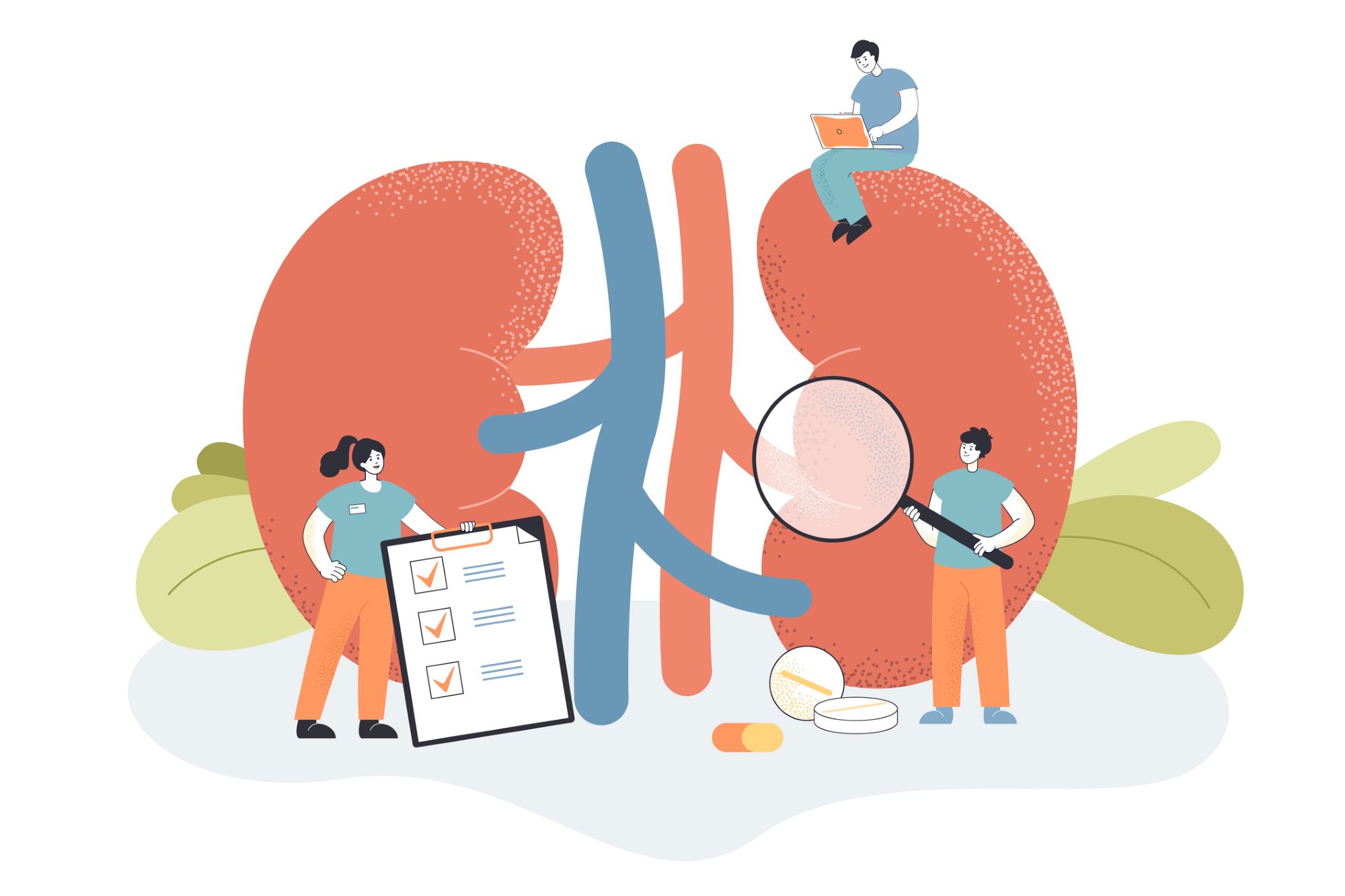
Kidney disease increases the risk of heart problems. However, symptoms may appear late, so it’s ideal to talk to a health professional about risk factors and underlying conditions.
“Kidney disease is a massive and underrecognised cardiovascular risk factor,” says Professor Raj Thakkar, Immediate Past President of the Primary Care Cardiovascular Society. “The problem is, you may have no clue that you actually have kidney disease — and therefore be at risk of heart problems — because kidney disease is silent.”
Delaying shouldn’t be an option in kidney health
He continues: “In fact, symptoms don’t tend to appear until you have complications such as kidney failure, stroke, heart attack, abnormal heart rhythm or a heart valve problem.”
Make sure you get it done because it could just save your life
However, the good news is, if kidney disease can be diagnosed early enough with a simple blood test and urine test, patients can receive the appropriate treatment to delay or prevent these complications. So don’t delay and take action. “We need to be more proactive about looking for disease,” says Thakkar. “We should empower the population to own their health and to check their health numbers.”
Partnering with patients in a kidney-heart health journey
After all, says Thakkar, we’ll check our bank balance regularly to make sure it’s healthy. So why not our blood pressure and urine? Anyone with chronic kidney disease risk factors, including diabetes, high blood pressure, a previous episode of kidney injury or a personal history of heart disease, should be particularly proactive about it.
The health system must make it easier for patients to check their health, he points out, particularly because chronic kidney disease is included in the Cardiovascular Disease Modern Service Framework. This is the Government’s vision for the earlier prevention, diagnosis and treatment of cardiovascular, kidney and metabolic risk factors.
“I’m very keen for patients to become partners on this journey,” he explains. “Ideally, we want people to understand the kidney-heart link so well that they say to their healthcare professional, ‘I know kidney disease is a major predictor of cardiovascular health — and I haven’t had a urine check yet. I would like one, please.’ Make sure you get it done because it could just save your life.”
NP-GB-107822 | September 2026